New Delhi: Former KP Sharma Oli has been arrested in connection with last year’s deadly youth protests in Nepal, a development that comes just a day after Balendra Shah was sworn in as the country’s new prime minister.
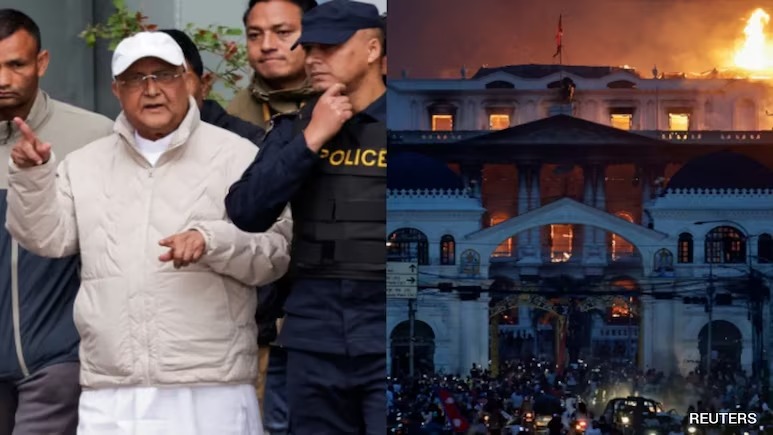
Police detained Oli from his residence in Gundu in Bhaktapur district as part of an investigation into the violent crackdown during the anti corruption demonstrations led largely by young protesters. Authorities also took into custody former Home Minister Ramesh Lekhak in connection with the same case.
Officials confirmed that both leaders were arrested as part of legal proceedings related to allegations of negligence and culpable homicide linked to the suppression of the protests. Government representatives stated that the case would proceed in accordance with the country’s legal framework.
Responding to the arrests, newly appointed Home Minister Sudan Gurung said the action was not politically motivated but aimed at delivering justice, emphasizing that no individual is above the law.
Oli, however, rejected the allegations and described the arrest as vindictive, stating that he would challenge the case through legal channels.
The investigation relates to the nationwide unrest that erupted in September last year after a brief social media ban triggered widespread anger among young citizens already frustrated by economic challenges and corruption allegations. The demonstrations quickly escalated into a nationwide uprising, during which parliament buildings and government offices were attacked and set on fire.
More than 70 people were killed during the two day protests, including at least 19 young participants. The violence ultimately led to the collapse of Oli’s government.
Following the political crisis, Sushila Karki briefly led an interim administration before fresh elections were held. After winning the parliamentary polls, Balendra Shah formed a new government and ordered the implementation of recommendations from a high level commission that investigated the protest violence.
The commission concluded that although no direct order to open fire was established, senior officials failed to prevent or control the use of force, resulting in the deaths of several civilians, including minors.