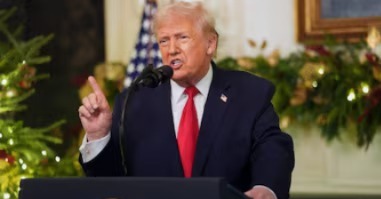
New Delhi: Former US President Donald Trump has given approval to a bipartisan Russia sanctions bill that proposes sweeping punitive measures against countries continuing to buy Russian oil, a move described as a tool to exert leverage on nations such as India, China, and Brazil. The proposed legislation includes a provision allowing the United States to impose tariffs of up to 500 percent on imports linked to purchases of Russian oil.
The bill, formally titled the Sanctioning of Russia Act 2025, is aimed at tightening economic pressure on Moscow as the Russia Ukraine conflict continues. Supporters of the legislation argue that revenue from discounted Russian oil sales has helped sustain Russia’s war effort, and that stronger measures are needed to curb this flow of funds. The proposal is expected to be taken up for a bipartisan vote in the US Congress in the coming days.
The legislation outlines penalties on individuals and entities connected to Russia and seeks a sharp increase in duties on all goods and services imported from Russia into the United States. By dramatically raising tariffs, the bill is designed to discourage global buyers from engaging in energy trade with Moscow and to increase diplomatic pressure on countries seen as indirectly supporting Russia’s economy.
The development comes at a time of renewed diplomatic engagement around the Ukraine conflict. Recent interactions between Ukrainian leadership and senior members of the US political establishment have focused on exploring a negotiated path toward ending the war, even as fighting continues on the ground. Backers of the sanctions bill argue that stronger economic leverage is necessary to push meaningful progress in peace talks.
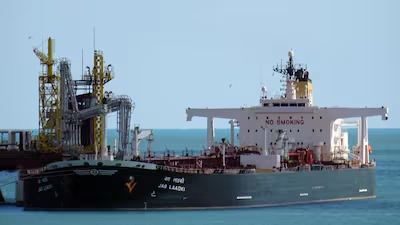
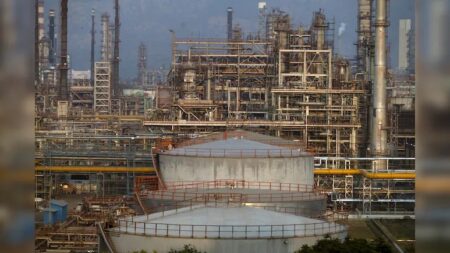
India has featured prominently in the discussion due to its significant purchases of Russian crude oil since the start of the conflict. US leaders have previously expressed concern that such imports weaken the impact of Western sanctions on Russia. Tariffs imposed earlier on Indian goods were partly linked to these concerns, and further increases have been flagged as a possibility if oil imports from Russia continue.
New Delhi has maintained that its energy decisions are guided by national interest and market conditions, and has rejected claims that it made assurances to halt Russian oil purchases. The unfolding debate underscores rising geopolitical pressure on major economies as the US weighs tougher economic tools to influence the course of the Ukraine war.
Sorry, there was a YouTube error.