New Delhi: A shortage of Liquefied Petroleum Gas triggered by global energy disruptions has forced many restaurants across India to return to traditional cooking methods such as wood and coal fires.
The supply crunch has emerged amid volatility in energy markets following the conflict involving United States, Israel and Iran, which has affected fuel shipments from the Middle East. LPG is widely used by over 33 crore Indian households as well as thousands of restaurants and food businesses, making the disruption particularly difficult for the hospitality sector.
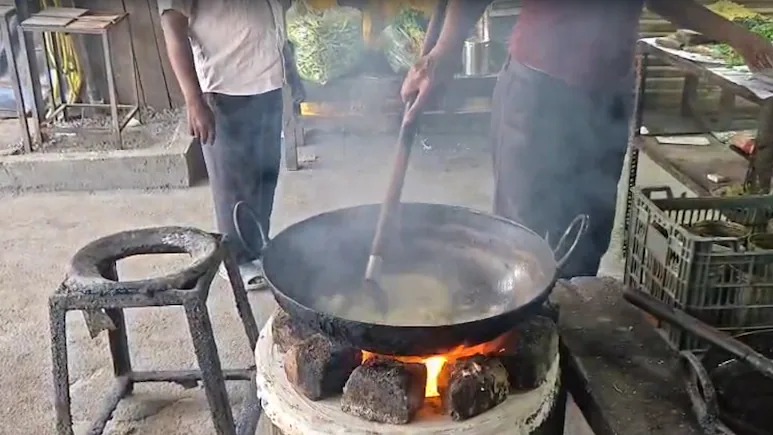
In major cities including Chennai, Bengaluru and Kolkata, many commercial kitchens have started using firewood, often sourced from scrap lumber, to keep basic cooking operations running. Several restaurants have also reduced their menus, focusing only on items that require minimal cooking fuel.
One example is Bangalore Thindies, which previously offered a menu of 11 dishes such as dosa, idli and rice preparations. The establishment is now serving only coffee and tea due to the shortage of cooking gas. Some restaurant owners say LPG cylinders are available through unofficial channels, but at extremely high prices.
Hotel and restaurant associations in Chennai and Bengaluru have raised concerns with authorities, urging the central government to restore normal supply of commercial LPG. Industry representatives say the sector provides essential services and operates around the clock, supplying food to hospitals, office complexes, students and railway catering services.
The situation is also affecting businesses in Mumbai and Surat, where many eateries have either reduced operations or temporarily closed. In Kolkata, restaurants such as Aminia are considering shifting completely to coal based cooking due to limited LPG availability.
The supply crisis is closely linked to disruptions around the Strait of Hormuz, a crucial maritime route through which a significant portion of India’s LPG imports pass. With domestic demand for cooking gas steadily rising over the past decade, the disruption has created additional pressure on supply chains and the hospitality industry.
Sorry, there was a YouTube error.