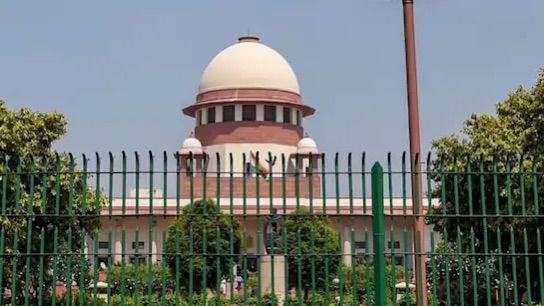
New Delhi: The Supreme Court of India on Friday declined to support a plea seeking mandatory menstrual leave for women, stating that such a law could unintentionally harm women’s employment opportunities. The court noted that making menstrual leave compulsory might lead some employers to avoid hiring women altogether.
A bench led by Chief Justice Surya Kant expressed concern that a legally mandated policy could create unintended consequences in workplaces. According to the court, employers might develop a bias against hiring women if they believe such regulations would affect productivity or workplace management.
The petition, filed by lawyer Shailendra Mani Tripathi, sought directions for states to introduce rules allowing menstrual leave for women, including students and working professionals. The plea argued that menstruation can cause discomfort and health challenges that warrant supportive workplace and academic policies.
During the hearing, the court observed that while awareness and sensitivity toward menstrual health are important, making leave mandatory through legislation could reinforce negative perceptions about women in the workforce. It warned that such a move might unintentionally create an impression that women are less capable than men, which could further deepen workplace discrimination.
Senior advocate M R Shamshad pointed out that the government of Kerala had already introduced menstrual leave for women students in state-run universities in 2013. The policy was announced under the leadership of Chief Minister Pinarayi Vijayan as part of efforts to promote gender equality in education. Some private companies have also adopted similar measures voluntarily.
However, the court emphasised the difference between voluntary workplace policies and a legally enforced mandate. It suggested that voluntary initiatives allow institutions and employers to implement supportive measures without creating unintended barriers to women’s employment.
Earlier this year, the Supreme Court recognised menstrual hygiene as a vital aspect of a girl child’s rights under Article 21 of the Constitution. In a ruling by Justices J B Pardiwala and R Mahadevan, the court directed governments to ensure free sanitary napkins, proper gender segregated toilets, and awareness campaigns on menstrual health across educational institutions.