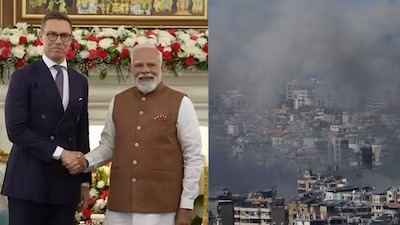
Washington: Trade negotiations between India and the United States hit a snag after Prime Minister Narendra Modi did not take a phone call from then-US President Donald Trump, according to senior US officials.
Efforts to finalise a trade agreement stalled earlier this year when Modi chose not to answer a call from Trump that was intended to address sticking points in the talks. Commerce officials in Washington described the missed connection as a significant moment that set back discussions, leaving negotiators on both sides without the high-level direction needed to break an impasse on tariffs and market access.
The failure to connect over the phone came at a time when both governments were under pressure to demonstrate progress on economic cooperation. Indian trade representatives had hoped that a direct conversation between the two leaders would provide the impetus required to overcome domestic political concerns and technical disagreements that had slowed momentum.
Instead, the missed call reportedly contributed to a perception in Washington that New Delhi was reluctant to engage on sensitive trade issues. US commerce officials said the episode underscored broader challenges in the relationship, where strategic cooperation on security and defence has outpaced alignment on economic matters.
Commerce Secretary Gina Raimondo and her team continued to pursue negotiations, but sources in the administration characterised the broader effort as constrained by the lack of a coordinated push from the highest levels of both governments. Indian officials have not publicly detailed the reasons for Modi’s decision not to take the call, but analysts suggest that domestic political considerations and scheduling priorities may have influenced the choice.
The setback has left both sides evaluating their approaches to future trade discussions, with Washington looking for clearer signals of India’s willingness to commit to reciprocal market access and New Delhi emphasising the need to protect key domestic industries as it balances its economic priorities.
Sorry, there was a YouTube error.