New Delhi: Army Chief General Upendra Dwivedi on Friday highlighted the changing face of warfare, describing it as increasingly “non-kinetic and non-contact” and calling for a comprehensive approach that combines military strength with intellectual, technological, and moral readiness.
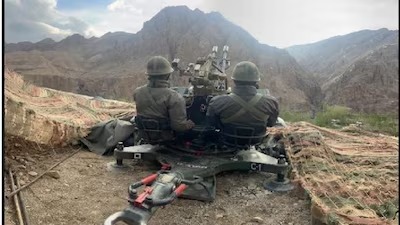
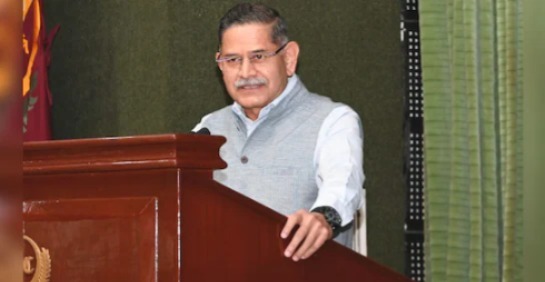
Speaking at an event marking the 150th birth anniversary of Sardar Vallabhbhai Patel at the Manekshaw Centre in New Delhi, General Dwivedi said the nature of conflict today extends beyond traditional battlefields. “Warfare now flows through fibre cables, flickers on screens, circulates in wallets, and ripples across classrooms,” he observed, stressing that security threats are evolving across multiple domains.
He outlined three key challenges traditional rivalries and collusive threats along multiple fronts, ongoing terrorism and proxy wars, and the rise of disinformation campaigns aimed at undermining social harmony. Addressing these, he said, requires strategic balancing, deterrence, and resilience, supported by the collective strength of governance, industry, academia, and civil society.
Citing Chanakya’s teachings, the Army Chief noted that emerging powers often face countervailing reactions, making preparedness vital. He described India’s demographic advantage, technological progress, and strategic geography as major assets, while acknowledging the complexity of the challenges ahead.
Referring to the youth as the driving force of national strength, General Dwivedi said India’s Gen Z population digitally fluent, socially aware, and globally connected stands at the heart of this new era of warfare. He urged young citizens to channel their energy and creativity with discipline and purpose, contributing to national security in diverse ways from research labs and industries to classrooms and social platforms.
Highlighting the Army’s ongoing transformation, he said efforts are underway to modernise structures, promote joint operations, and foster innovation through collaborations with educational and industrial partners. The Army has also launched 16 technology clusters and initiated a paid internship programme with IITs to involve young talent in defence innovation.
He concluded by urging citizens to view national security as a shared responsibility, emphasizing that safeguarding the nation extends beyond borders to every community and classroom.