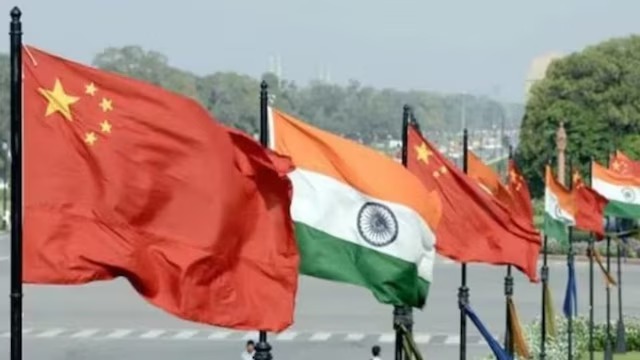
New Delhi: In a sharp rebuke to China’s recent announcement of establishing two new counties in the Hotan prefecture, which includes parts of Ladakh, India has reiterated its stance of not recognizing China’s occupation of Indian territory. This move by China has reignited tensions between the two nations over border territories, a dispute that has been simmering for decades. The establishment of these counties not only challenges India’s sovereignty but also underscores the complex geopolitical dynamics at play in the region.
At the heart of this dispute is India’s consistent rejection of China’s claims on its territory. The Indian government has lodged a solemn protest through diplomatic channels, emphasizing that the creation of these counties will neither legitimize China’s occupation nor alter India’s long-standing position on its sovereignty over Ladakh. This stance reflects India’s commitment to safeguarding its territorial integrity, a principle that has guided its foreign policy in the face of such challenges.
India’s response to China’s actions is not limited to diplomatic protests. The government has been actively enhancing infrastructure in border areas to support both economic development and security needs. Over the past decade, the Border Roads Organisation (BRO) has significantly expanded road networks, bridges, and tunnels, enhancing connectivity for local communities and providing improved logistical support for the armed forces. This infrastructure push is part of a broader strategy to ensure that India’s sovereignty and territorial integrity are protected while also fostering economic growth in these regions.
The government remains vigilant, closely monitoring developments that could impact India’s security and taking all necessary measures to safeguard its sovereignty. This proactive approach reflects India’s determination to address ongoing tensions with China while ensuring the well-being and security of its citizens in border regions.
Sorry, there was a YouTube error.