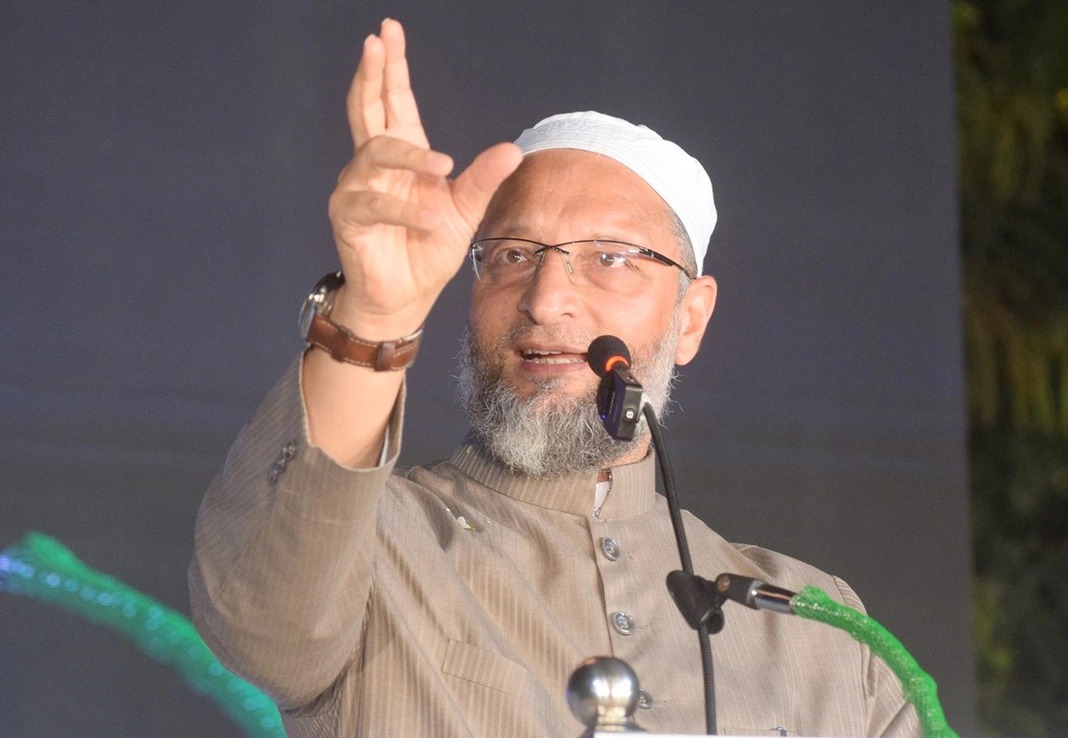
New Delhi: A fresh political sparring has emerged over remarks linking family size to national identity, with AIMIM president Asaduddin Owaisi strongly rebutting statements made by BJP leader Navneet Rana on population and religion. Owaisi dismissed the argument that demographic trends posed a threat, saying personal choices about family size should not be politicised.
Reacting to Rana’s earlier comments urging Hindus to have three to four children, Owaisi said there were no legal or social barriers preventing anyone from having a larger family. He underlined that decisions related to childbirth are personal and should not be framed as a communal or national security issue.
Owaisi also highlighted contradictions within existing policies, pointing out that in states such as Maharashtra, individuals with more than two children are barred from contesting Panchayat elections. He noted that similar restrictions once existed in Telangana but were later withdrawn, questioning how political messaging aligns with such laws. He further recalled public statements by senior leaders advocating for larger families, arguing that the debate lacks consistency and clarity.
Navneet Rana’s remarks last month had triggered widespread controversy after she appealed to Hindus to increase their family size, claiming it was necessary to counter what she described as an alleged demographic strategy by certain communities. Her statement framed population growth as a cultural and national concern, drawing criticism across political lines for its divisive tone.
The issue has since reignited discussions on population control, social policy and the role of leaders in shaping public discourse. Critics argue that invoking religious identity in matters of family planning risks deepening social divisions, while supporters of stricter demographic narratives claim such debates are necessary for long-term planning.
Owaisi’s response emphasised that demographic choices should remain free from political pressure and selective targeting. He questioned why personal freedoms are celebrated in rhetoric but restricted through laws and social narratives when it comes to specific communities.
The exchange has added to an ongoing national conversation on population trends, governance and equality, with many observers calling for a more data-driven and inclusive discussion rather than emotive appeals.
Sorry, there was a YouTube error.