New Delhi: Amid repeated appeals from Pakistan to reconsider the suspension of the Indus Waters Treaty (IWT), Union Jal Shakti Minister CR Paatil has made it clear that India will not budge from its decision. Dismissing political rhetoric and threats from across the border, Paatil reaffirmed that the water meant for Pakistan under the treaty “won’t go anywhere” and will instead be redirected for India’s own use.
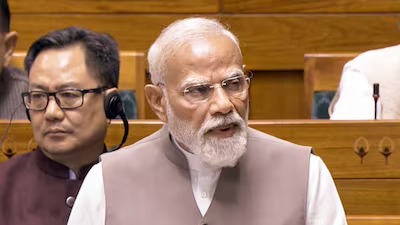
Speaking at a press conference on Thursday, Paatil took a firm stand against Pakistan’s continued attempts to revive the treaty’s provisions. “Even if Pakistan writes a hundred letters, our stance will remain unchanged,” he said. “The water belongs to the people of India, and it will be used to meet our domestic needs.”
Responding to recent remarks made by former Pakistani Foreign Minister Bilawal Bhutto — who issued veiled threats over the suspension — Paatil dismissed them as political grandstanding. “He talks about blood and water flowing… but we are not afraid of such hollow threats. What he says is his own opinion, and we don’t give weight to empty rhetoric,” the Minister said.
Paatil’s comments come after India officially put the Indus Waters Treaty in abeyance following the April 22 terror attack in Pahalgam, which left several civilians dead. The government has since maintained that the suspension is a sovereign decision taken in the interest of national security and resource management.
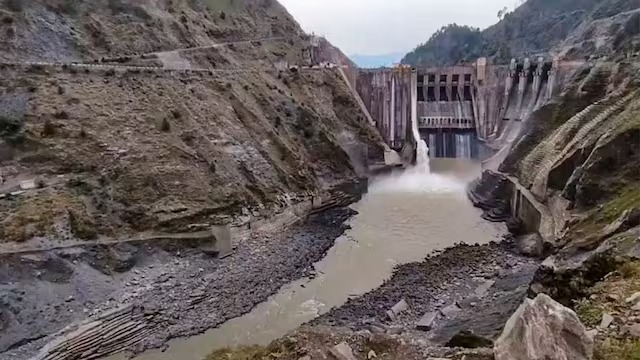
According to government sources, India plans to divert the water that was previously flowing to Pakistan under the IWT for use within its own territory. The diverted water will now be channeled to four Indian states — Rajasthan, Haryana, Himachal Pradesh, and Delhi — through a fast-tracked infrastructure upgrade program spearheaded by the Jal Shakti Ministry.
“The decision will benefit lakhs of Indians. Not a single drop of water meant for Pakistan will go to waste,” a senior official said. Infrastructure projects aimed at facilitating this diversion are already underway, with the government pushing for swift execution on a “war-footing.”
Paatil also chaired multiple internal meetings to assess the implementation of the decision and oversee progress in re-engineering water flow channels. These reviews aim to ensure that the diverted waters are efficiently managed and allocated to regions facing chronic water stress.
The Indus Waters Treaty, signed in 1960 between India and Pakistan with the World Bank’s mediation, has long governed the sharing of the waters of the Indus River and its tributaries. However, following multiple cross-border attacks and the deteriorating security situation, India has repeatedly asserted that continued goodwill in water-sharing cannot be one-sided.
As the diplomatic standoff deepens, India’s message is clear: National interest and security will take precedence, and empty threats will not influence its decisions on vital resources like water.
Sorry, there was a YouTube error.