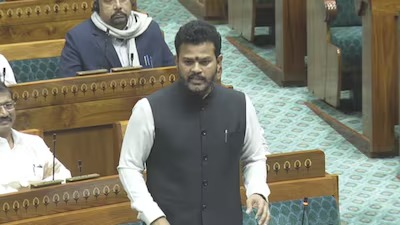
New Delhi: The government is working on an ambitious plan to develop aircraft that are fully built in India, Civil Aviation Minister Ram Mohan Naidu told Parliament, underlining a shift toward long term self reliance in the aviation sector. He said India cannot afford to remain dependent on global manufacturers and will move decisively to create a domestic aircraft manufacturing programme.
Speaking in the Lok Sabha, the minister said the vision is to ensure that India has its own Made in India aircraft. He noted that while the country has made major strides in aviation over the past decade, the availability of aircraft has emerged as the biggest constraint to growth. According to him, the government is not prepared to wait indefinitely for foreign manufacturers to meet India’s rapidly expanding needs.
Naidu highlighted that India’s aviation ecosystem has grown significantly through new airports, expanded airline operations and the regional connectivity push under the UDAAN scheme. However, he said global aircraft manufacturing is dominated by a handful of companies that supply airlines worldwide, resulting in long waiting periods even for financially strong carriers.
He explained that airlines cannot immediately procure large fleets because production timelines are fixed and stretched. Demand from regions such as the Gulf and Asia Pacific has further strained supply chains. For India alone, around 1,700 aircraft orders are pending with global manufacturers, he said, adding that these deliveries will eventually help improve passenger capacity and services.
The minister stressed that the bottleneck does not lie with the government or airlines but with limited global manufacturing capacity. Recognising this challenge, the government has decided to pursue domestic aircraft production to reduce reliance on international supply cycles and strengthen strategic autonomy.
Naidu also addressed concerns over rising airfares, saying the government cannot impose fare caps throughout the year. He explained that India follows a deregulated aviation market, which has helped the sector grow and encouraged competition. At the same time, he said the government has sufficient authority to intervene during extraordinary situations, as seen during the Covid pandemic and the recent IndiGo disruptions.
He noted that airfare spikes are often driven by seasonal demand during festivals and regional travel surges. According to him, market supply and demand play a critical role in fare determination, though the government steps in to prevent opportunistic pricing during crises.
The minister added that when adjusted for inflation, airfares in India have declined more sharply than in several other major economies. His remarks came amid public concern over sharp fare increases during recent flight disruptions, reinforcing the government’s dual focus on passenger protection and long term capacity building.
Sorry, there was a YouTube error.