Team Goemkarponn
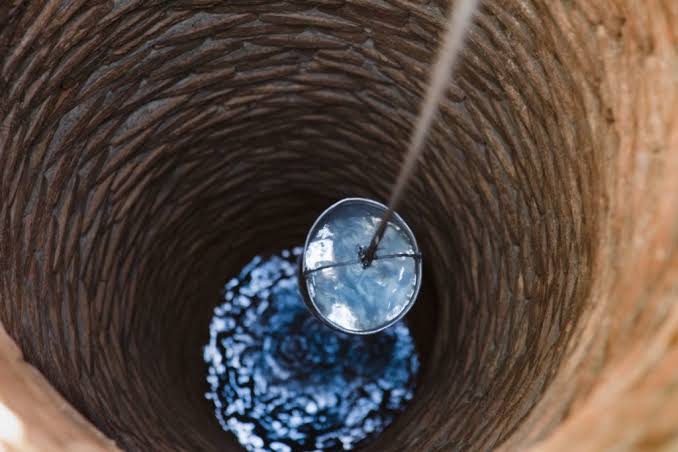
PANAJI: Even as Goa’s groundwater extraction remains within the “safe” category, enforcement against illegal borewells continues to face hurdles, with over 100 identified cases yet to be sealed due to ongoing court proceedings.
In a written reply to Legislative Assembly Question (LAQ No. 144) tabled by MLA Yuri Alemao, Water Resources Minister Subhash Shirodkar informed that groundwater extraction in the state stands at 23.29%, as per a joint assessment with the Central Ground Water Board. This falls under the “safe” category in the Dynamic Ground Water Resources of Goa 2025 report.
However, the government acknowledged widespread irregularities in borewell drilling. While action has been initiated in several cases, a significant number remain pending. As per official data, most of the over 100 illegal borewells identified across the state have not yet been sealed because the matters are currently sub judice before the High Court of Bombay at Goa.
The department has taken steps such as issuing show-cause notices and directing the Electricity Department to disconnect power supply to unauthorized borewell pumps. In areas like Arpora and Anjuna, some borewells have been sealed following High Court directives in ongoing Public Interest Litigations.
The report also highlights instances of penalties imposed on violators. In certain cases not under litigation, fines of up to ₹6 lakh have been levied on engineering and construction firms for illegal groundwater extraction.
Meanwhile, the government released details of borewell registrations since 2020, covering industrial, commercial, residential, and construction sectors. Major companies and large housing projects have been granted permissions with extraction limits ranging from 1,000 to as high as 50,000 litres, depending on usage and scale.
While the government maintains that groundwater levels are currently sustainable, the large number of unresolved illegal borewell cases and reliance on court directions underline ongoing challenges in enforcement and regulation.