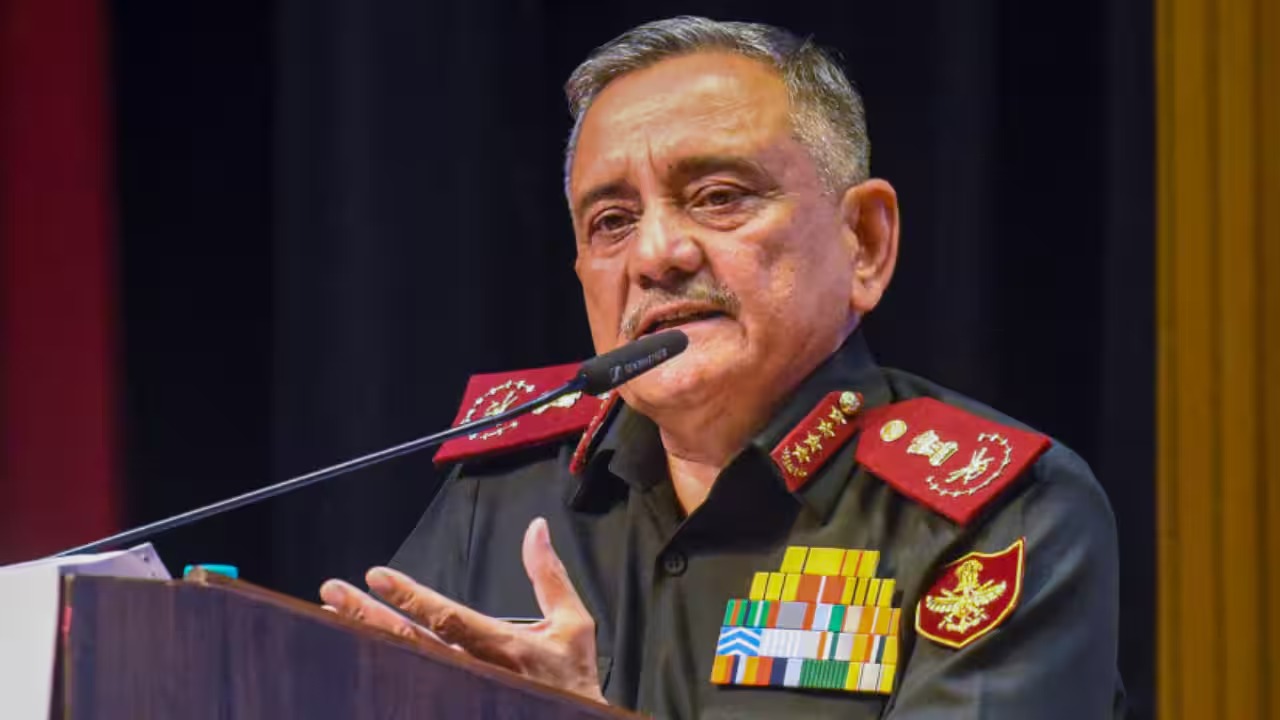
Gwalior: Chief of Defence Staff (CDS) General Anil Chauhan said that Operation Sindoor, conducted in May, reshaped India’s approach to warfare and sent a clear message that Pakistan’s nuclear threats would no longer dictate regional stability. Speaking at the 128th Foundation Day of Scindia School in Gwalior, General Chauhan said the successful mission marked a decisive shift—showing that talks and terrorism cannot go hand in hand.
“Operation Sindoor created a new matrix of decision and timing in warfare. Pakistan thought it could do anything with nuclear capability, but the operation proved it wrong,” he said. The CDS stressed that wars are not fought by the armed forces alone, but by the entire nation, where political leaders, diplomats, and citizens each have vital roles to play.
He emphasised that while the military ensures the country’s security, nation-building is a shared duty. “The future belongs to India, and together, we can make it stronger and more secure by 2047,” he said, referring to the Prime Minister’s vision of a developed India.
General Chauhan also highlighted the increasing importance of modern technologies such as drones, air defence, and electronic warfare in shaping future conflicts. Calling the current period Amrit Kaal, he urged students and youth to actively contribute to national progress.
Union Minister Jyotiraditya Scindia, addressing the gathering, hailed Operation Sindoor as a symbol of India’s courage and unity, crediting teamwork and advanced technology for its success. He added that the Maratha legacy continues to inspire discipline and dedication toward protecting the nation.
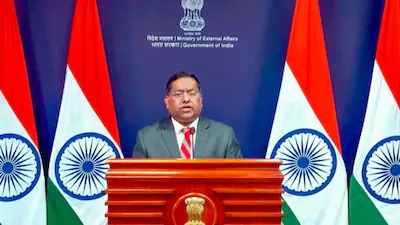
Foreign Secretary Vikram Misri, an alumnus of Scindia School, was conferred the Madhav Award for his contribution to diplomacy. Misri recalled how his school years shaped his leadership and resilience, qualities he carried into his service for the nation.