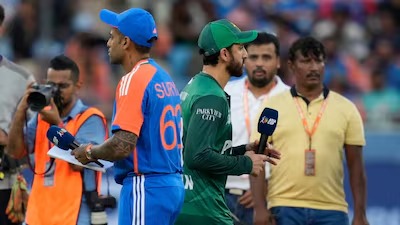
New Delhi: Pakistan has withdrawn its decision to boycott the group match against India in the 2026 ICC Men’s T20 World Cup, bringing an end to weeks of uncertainty surrounding the tournament’s most high profile contest. The government in Islamabad announced that the national team would take the field in Colombo on February 15 after a series of discussions involving the International Cricket Council and cricket boards from the region.
The India versus Pakistan encounter, regarded as one of the most watched events in world sport, had been placed in doubt after Pakistan initially declared it would forfeit the match. Such a move would have cost the team valuable points and threatened its chances of advancing in the competition, besides creating major disruption for organisers and broadcasters.
Tensions first emerged in January when Bangladesh declined to travel to India for its scheduled matches, citing security concerns. Following that decision, Bangladesh was replaced in the tournament, a development that Pakistan considered unfair. Islamabad expressed strong support for Dhaka and later instructed its team not to play against India as a mark of protest.
The issue quickly expanded beyond cricket and drew intense diplomatic attention. The ICC urged all parties to protect the spirit of international competition, while cricket boards from neighbouring countries encouraged Pakistan to reconsider its stance. Bangladesh officials also engaged with Pakistan’s leadership, stressing the importance of the fixture for the wider cricket community.
Financial considerations added further urgency. The India and Pakistan contest forms the centrepiece of global broadcast agreements and is critical to tournament revenues. Cancellation would have resulted in heavy commercial losses for stakeholders and the host nation.
After renewed consultations, Pakistan reviewed its position and approved participation in the match. The decision was welcomed as a step that safeguards the credibility of the World Cup and prevents further political complications.
Although Bangladesh did not return to the event, the episode has reportedly brought assurances that its status within international cricket will remain secure and that future hosting opportunities will be considered.
The controversy has highlighted how political issues can influence sport in South Asia, where cricket carries enormous emotional weight. With the fixture now restored, attention turns back to the field as both teams prepare in Colombo for a contest expected to capture worldwide interest.