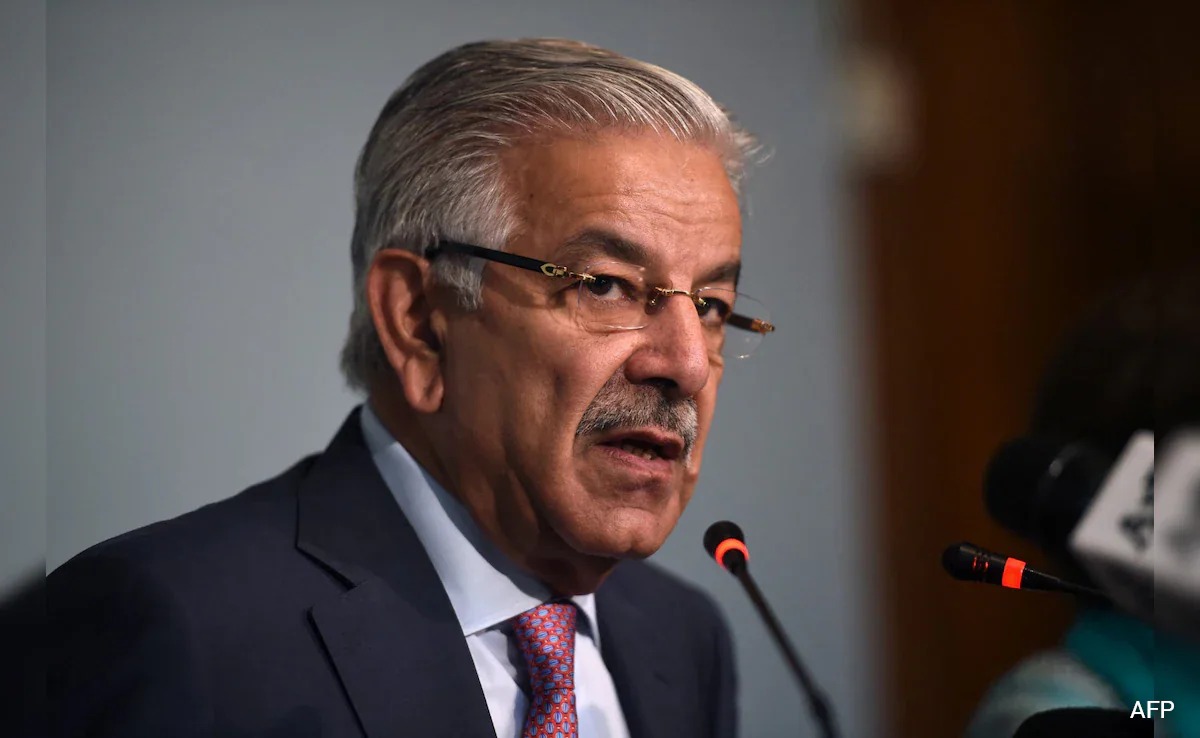
New Delhi: Pakistan’s Defence Minister Khawaja Asif has delivered a blunt assessment of his country’s long relationship with the United States, stating that Islamabad was exploited for American strategic interests and then abandoned once those objectives were achieved. Speaking in the National Assembly, he described the experience as deeply humiliating and harmful for Pakistan.
Asif acknowledged that Pakistan’s decision to side with Washington in the Afghan conflicts, particularly after the September 11 attacks, proved disastrous. He said the country paid a heavy price in the form of terrorism, economic decline and social instability. According to him, the violence Pakistan faces today is a direct consequence of those earlier policies.
The minister criticised past military rulers for pushing the nation into foreign wars under the banner of religion. He argued that the involvement in Afghanistan was not motivated by faith but by the desire to please a global power. This approach, he said, distorted national priorities and dragged Pakistan into conflicts that were not its own.
Reflecting on the post 2001 period, Asif noted that Pakistan turned against the Taliban at the behest of the United States, only to be left alone when American forces eventually withdrew. The result, he added, was years of bloodshed, radicalisation and a weakened economy. He admitted that the damage caused by those decisions was irreversible.
The defence minister also pointed to the way national history is often denied or rewritten. He said Pakistan rarely accepts responsibility for its role in fostering militancy and instead avoids confronting uncomfortable truths. Such denial, he warned, prevents the country from learning from its past.
Asif further claimed that even the education system was altered to justify participation in the Afghan wars, embedding ideological narratives that continue to influence society. He urged lawmakers to recognise these mistakes openly and to chart a different course for the future.
His remarks represent one of the clearest admissions from a senior Pakistani leader about the consequences of Islamabad’s strategic alignment with Washington. The statement has sparked debate within the country about accountability and the need to rethink foreign policy priorities.
Sorry, there was a YouTube error.