


“The political context only adds gravity to this moment. In 2019, when Atanasio Monseratte was elected MLA from Panaji, he made a specific, bold promise: to remove casinos from Panaji within 100 days of assuming office. That pledge resonated with many residents who felt that the city’s cultural heritage and urban character were being overshadowed by gambling halls and neon lights. Promises are made on the basis of trust. When they are repeated in public speeches, they shape voter expectations. Yet here we are, several years on, waiting for that promise to be fulfilled.
Broken promises in politics are not unique to Goa, but the closeness of this family’s political positions makes the unravelling of this one especially conspicuous. “
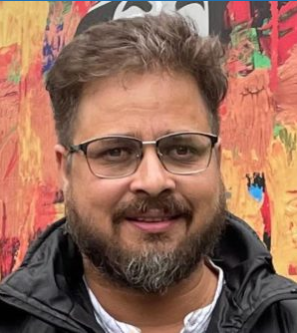
When Panaji’s Mayor Rohit Monseratte says he doesn’t like casinos but “has no say in the matter,” the statement is more than surprising. It is a stark admission of powerlessness at a moment when the city’s leadership should be asserting clarity and direction on an issue that affects Panaji’s identity, economy and social fabric.
What makes this claim even more remarkable is the political pedigree behind it. His father, Atanasio Monseratte, is the sitting MLA from Panaji. His mother, Jennifer Monseratte, represents the adjoining constituency of Taleigao. And yet, a frontline elected representative is publicly distancing himself from responsibility on a defining civic issue. That cannot be shrugged off as a passing comment. It points to a deeper crisis of leadership and accountability in Goa.
Casinos are not some fringe matter. They operate from fixed offices on land. They are visible, regulated businesses that should be subject to clear policy decisions, municipal oversight and public scrutiny. If the mayor “has no say,” it begs the question: who does? In a democratic system, the authority to shape local policy should rest with those elected to represent the people, not with opaque committees or faceless bureaucrats. When governance is perceived as fragmented or deflected, public faith erodes.
The political context only adds gravity to this moment. In 2019, when Atanasio Monseratte was elected MLA from Panaji, he made a specific, bold promise: to remove casinos from Panaji within 100 days of assuming office. That pledge resonated with many residents who felt that the city’s cultural heritage and urban character were being overshadowed by gambling halls and neon lights. Promises are made on the basis of trust. When they are repeated in public speeches, they shape voter expectations. Yet here we are, several years on, waiting for that promise to be fulfilled.
Broken promises in politics are not unique to Goa, but the closeness of this family’s political positions makes the unravelling of this one especially conspicuous. It raises inevitable questions about political will, coherence and responsibility. If a sitting MLA who once vowed to remove casinos from a key urban centre cannot deliver on that promise, what hope is there for policy commitments on other crucial issues facing the city and the state?
There are, of course, arguments made in favour of casinos. Proponents talk about employment, tourist footfall and revenue generation. Tourism is central to Goa’s economy, and casinos are intertwined with the broader night-life ecosystem. But policy cannot be shaped solely by economic arguments. It must be balanced with social considerations, local aspirations and long-term planning. A city cannot be a marketplace of competing interests without a clear vision from its leadership.
What Panaji needs is not ambivalence but clarity. If the municipal administration genuinely has no jurisdiction over land-based casinos, that needs to be publicly explained with reference to statutes and delegated authority. If the legislative assembly or a specific regulatory body holds that power, then the conversation should shift to why the city and its representatives have not been able to influence those decisions. But ambiguity is not an answer.
The mayor’s statement also reflects a disconnect between political rhetoric and civic governance. Saying “I don’t like something but I can’t do anything about it” is not a message that instils confidence. It sounds like abdication, not advocacy. Leadership means converting public concerns into actionable policy, not retreating behind institutional limitations.
At a time when cities around India are reimagining their urban spaces — prioritising sustainability, heritage conservation, citizen welfare and responsible tourism — Panaji’s leadership must articulate a vision for its future. Does the city want to be known for its colonial heritage, its waterfront promenades and cultural festivals? Or does it want to be defined by casinos and entertainment complexes? These are not trivial debates. They strike at the core of how citizens see their city and how that city is projected to the world.
The Monseratte family’s political influence in Panaji and adjacent regions is significant. With influence comes responsibility. If promises made at election time are not honoured, voters have a right to ask why. If political leaders feel constrained by institutional frameworks, they must work to change those frameworks rather than absolve themselves of responsibility.
Panaji deserves leadership that is clear, accountable and proactive. The casino issue, like many others facing Goa, cannot be left in a fog of political indifference. Citizens are watching. They remember promises. And they will hold their representatives to account. The question now is not just who has the power to decide, but who has the courage to lead.
