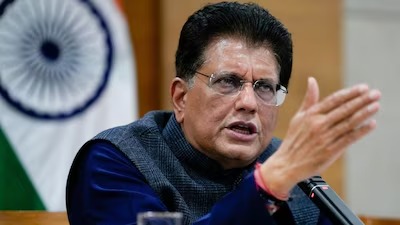
New Delhi: Commerce and Industry Minister Piyush Goyal has said India foresees no challenge in purchasing goods worth 500 billion dollars from the United States over time as both nations move closer to finalising a broad trade arrangement. The proposed deal is expected to lower tariffs on a large portion of Indian exports and expand two way economic engagement.
Goyal said India would increasingly turn to the US as a preferred supplier, particularly in high value sectors such as advanced information technology products, graphic processing units, energy imports and aircraft. He pointed out that India already has more than 80 billion dollars in orders for aircraft and related equipment from American companies and this figure is likely to grow further. Imports of coking coal and other energy products from the US are also expected to rise substantially.
The White House is expected to issue an order shortly reducing reciprocal tariffs on Indian goods to 18 percent, with exporters able to benefit from the new rates immediately after implementation. The interim agreement is likely to be signed by mid March when the United States Trade Representative is expected to visit New Delhi.
According to the minister, nearly half of India’s exports to the US will receive zero duty access under the framework. About 35 percent of goods will face an 18 percent tariff, while a limited segment such as steel and aluminium will continue to be covered by existing sectoral duties. He added that India would continue to negotiate these issues while working towards a full bilateral trade agreement.
Responding to criticism from opposition parties, Goyal said India’s core interests have been fully safeguarded. Sensitive agricultural items including dairy, poultry, meat, rice, wheat, sugar, millets and genetically modified products have been kept completely outside the deal. Fruits such as bananas and citrus, along with honey, ethanol and tobacco, are also excluded to protect domestic farmers.
He stressed that labour intensive industries and small enterprises would gain the most from the new market access. Sectors such as textiles, auto components, leather goods, footwear, sports equipment and handicrafts are expected to witness immediate growth. Exports of farm and fish products could almost double in the coming years, bringing direct benefits to rural communities.
On issues such as Russian oil purchases and pharmaceutical exports, the minister said these matters were separate from the trade pact. He added that assurances have been received regarding zero duty treatment for generic medicines and ingredients. The question of H1B visas was not part of the discussions, he clarified.