New Delhi: Prime Minister Narendra Modi on Friday lauded the implementation of four landmark labour codes, describing them as a historic reform that “greatly empowers our workers” and strengthens the foundation for universal social security.
The codes coming into effect from today include the Code on Wages, 2019, the Industrial Relations Code, 2020, the Code on Social Security, 2020, and the Occupational Safety, Health and Working Conditions Code, 2020. Collectively, they consolidate and rationalise 29 existing labour laws.
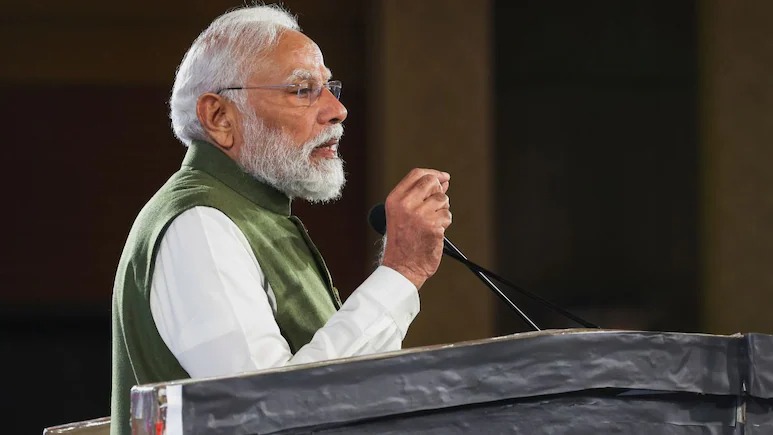
In a statement on X, the Prime Minister said, “Shramev Jayate! Today, our Government has given effect to the Four Labour Codes. It is one of the most comprehensive and progressive labour-oriented reforms since Independence. It significantly simplifies compliance, promotes Ease of Doing Business, and empowers our workforce.”
The reforms aim to ensure minimum and timely payment of wages, safe working conditions, and remunerative opportunities, particularly for women and youth. PM Modi emphasized that the codes will boost job creation, enhance productivity, and accelerate India’s journey towards a Viksit Bharat.
According to the Ministry of Labour and Employment, many of India’s labour laws were drafted between the 1930s and 1950s and had become fragmented, outdated, and difficult to comply with. While other major economies updated labour regulations over the decades, India continued under complex provisions, creating uncertainties for workers and industry alike.
The new codes modernize labour regulations, align them with global practices, and create a future-ready workforce. By addressing outdated colonial-era structures, these reforms aim to build resilient industries, protect workers’ rights, and foster a more competitive and self-reliant economy.
With these measures, India sets a new benchmark in labour reforms, balancing the interests of employees and enterprises while paving the way for stronger economic growth.
Sorry, there was a YouTube error.