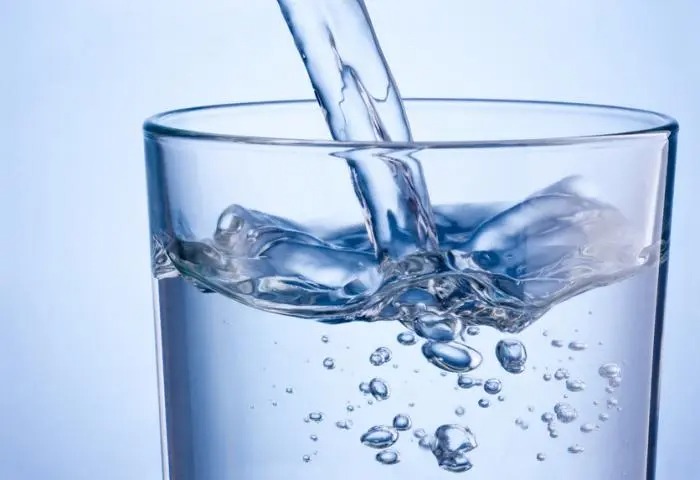
New Delhi: Drinking water in rural Madhya Pradesh has emerged as a serious public health concern, with a significant portion found unfit for human consumption. A recent assessment has revealed that only 63.3 percent of tested water samples in the state met quality standards, far below the national average of 76 percent. This indicates that more than one in three glasses of water consumed in villages may be contaminated by harmful bacteria or chemicals.
The findings are based on samples collected from over 15,000 rural households during September and October 2024. The data highlights widespread contamination and points to systemic weaknesses in monitoring and maintenance of water supply systems.
The situation is particularly disturbing in public institutions. In government hospitals, only 12 percent of water samples passed microbiological safety tests, meaning the vast majority of patients are being exposed to unsafe drinking water. Schools also face a similar risk, with over a quarter of samples failing safety checks, putting children at daily risk of waterborne diseases.
Tribal dominated districts are among the worst affected. In areas such as Anuppur and Dindori, not a single tested sample was found to be safe. Several other districts including Balaghat, Betul and Chhindwara recorded contamination levels exceeding 50 percent, underlining deep regional disparities.
Access to piped water remains limited. Only 31.5 percent of households in the state have tap connections, compared to a national average of over 70 percent. Even where pipelines exist, functionality remains a challenge, with nearly one fourth of households reporting non working taps or no water supply. Importantly, access does not guarantee safety. In Indore district, which is officially fully connected, only one third of households receive water that meets quality standards.
The crisis has already led to loss of life. In Bhagirathpura, Indore, contaminated water resulted in 18 deaths and hundreds of hospitalisations. Following this, the High Court described the situation as a public health emergency, affirming that the constitutional right to life includes access to clean drinking water. The warning has added urgency to calls for immediate corrective action to prevent further harm.