New Delhi: Rashtriya Swayamsevak Sangh (RSS) chief Mohan Bhagwat on Thursday urged Indians to embrace diversity, reject violent uprisings, and strengthen self-reliance. Speaking at the RSS’s Vijaya Dashami rally, which marked the organisation’s 100th anniversary, Bhagwat stressed that differences should be expressed within the law and that an “us versus them” mindset is unacceptable.
Addressing regional unrest, he warned that violent political upheavals in neighbouring countries like Nepal, Sri Lanka, and Bangladesh destabilise societies and create opportunities for foreign interference. “Neighbourhood unrest is not a good sign. Violent uprisings don’t lead to anything; they only create anarchy and allow foreign powers to meddle,” he said, citing the “grammar of anarchy” described by Dr. B.R. Ambedkar.
Referring to the April 22 Pahalgam terror attack, where 26 Indians were killed after being targeted for their religion, Bhagwat praised the government’s response and the “valour” of the armed forces, adding that the episode revealed India’s “true friends” internationally. He indirectly referred to China, Turkey, and Azerbaijan for their positions following the incident at global forums.
Bhagwat also highlighted economic self-reliance, urging the country to reduce dependence on imports while maintaining friendly diplomatic relations. He criticised US tariffs on Indian goods as self-serving and emphasised swadeshi and indigenous production as essential for growth.
Pointing to India’s internal challenges, Bhagwat cited the Naxalite movement as an example of how violent ideologies fail, and warned against emerging global ideologies that threaten social stability. He concluded by reiterating the RSS’s message of unity in diversity, calling on the youth to remain vigilant in maintaining harmony and social order.
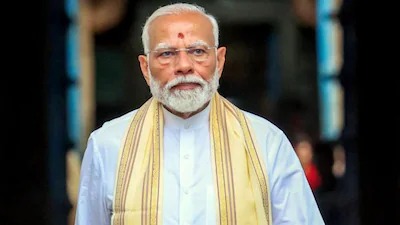
Founded in 1925 by Dr. Keshav Baliram Hedgewar, the RSS celebrated its centenary with this address, coming a day after Prime Minister Narendra Modi flagged demographic changes as a potential risk to social harmony and internal security.