Team Goemkarponn
Saligao: Concerned villagers of Saligao on Thursday highlighted the worsening plight of residents living around the Waste Treatment Plant located on the Calangute plateau, alleging severe environmental and health impacts due to the plant’s operations.
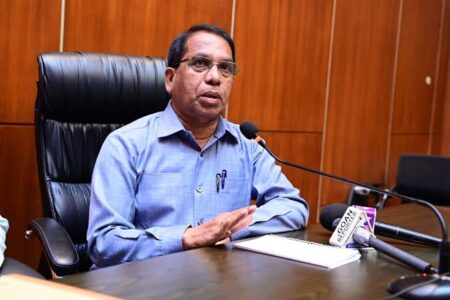
Addressing the media, Mario Cordeiro recalled the initial setup of the plant and the assurances given to villagers at the time of its inception. He said the plant was originally built to treat solid waste generated in the Calangute and Saligao constituencies, with a capacity of 100 tonnes per day (TPD) operating in a single shift. However, it was later run in two shifts to handle waste from the entire Bardez beach belt, and its capacity was further expanded to 250 TPD to accept waste from across Goa.
“Saligaonkars were promised a pollution-free atmosphere, so clean that even schools could organise picnics here. This remained only a dream of the then Chief Minister and never materialised,” Cordeiro said. He added that the foul odour emanating from the plant has made life unbearable for residents of surrounding villages, affecting even basic activities such as eating meals peacefully.
Cordeiro also expressed resentment over the government’s failure to set up waste treatment plants in other parts of the state, which could have reduced the burden on the Saligao facility. Citing Article 21 of the Constitution of India, he stressed that the right to life includes the right to a clean and pollution-free environment.
The plant, inaugurated in 2016, had an existing buffer zone in compliance with the MSW Rules, 2000. Earlier, waste was treated within municipal or village panchayat jurisdictions, but the rules were amended in the same year to enable centralised processing at the Saligao plant. Cordeiro pointed out that the Solid Waste Management Corporation has now approached the Saligao Communidade seeking land up to 500 metres from the plant boundary to create an expanded buffer zone.
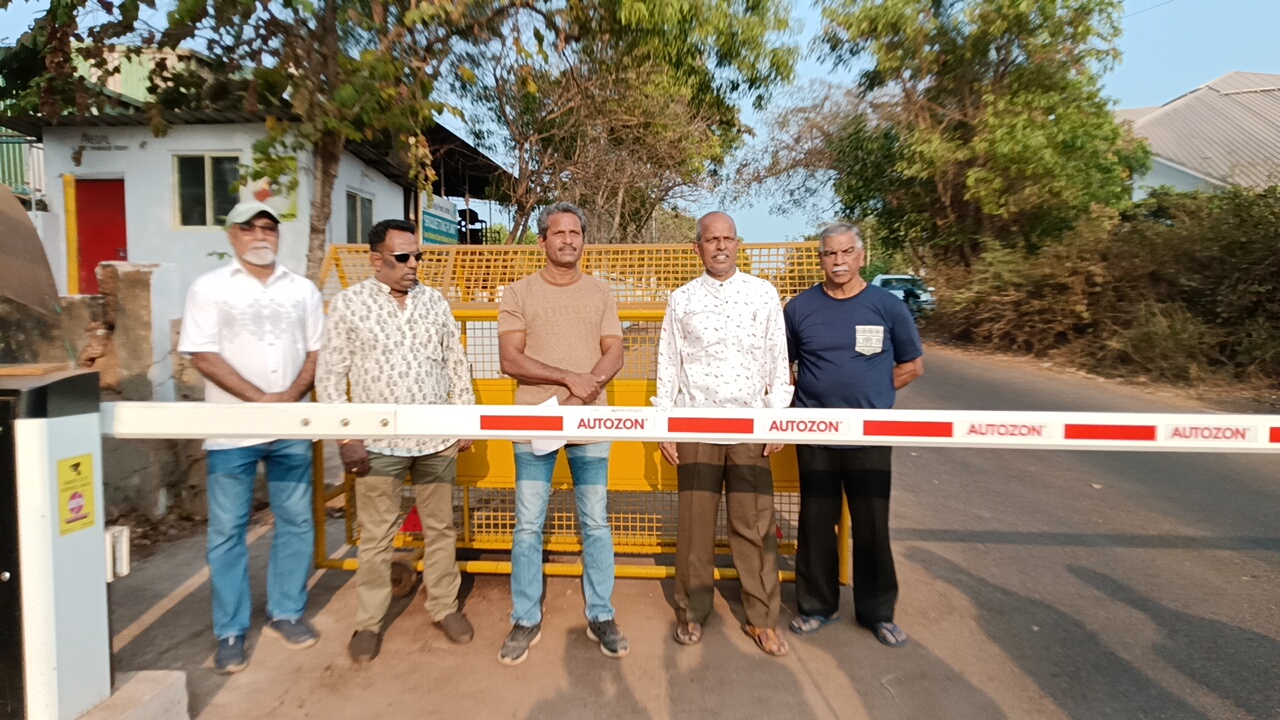
He termed the move “sinister”, noting that the amended MSW Rules, 2022, increased the buffer zone requirement from 200 metres to 500 metres from the core activity area. He questioned why the buffer zone expansion was being sought only in Saligao and not in neighbouring villages like Pilerne, Candolim and Calangute. “Is this to facilitate wealthy industrialists who own land in that area?” he asked, also drawing attention to the installation of a boom barrier across a public road near the bricket plant.
Pradeep Padgaonkar, another speaker, said garbage was visible across Goa, reflecting the failure of the government to establish much-needed waste treatment plants at Bainguinim, Cacoda in Curchorem, and other parts of South Goa. He pointed out that the Pernem waste treatment plant remains uncommissioned despite the expenditure of large sums of public money.
Padgaonkar said villagers had strongly opposed the Saligao plant from the beginning, foreseeing the present situation, but their will was “bulldozed”. He alleged that while the government pushes projects in places like Chimbel despite strong opposition, it lacks the will to set up waste treatment plants where they are urgently required to ensure a pollution-free environment. He congratulated Chimbel residents for their united opposition to the Unity Mall project to protect their village environment.
Responding to a query on the role of local MLA Kedar Naik, Padgaonkar said local political leaders across parties live near the stinking garbage plant and are fully aware of the situation. While the MLA has repeatedly assured intervention and made efforts, he said senior ministers should lead by example by establishing waste treatment facilities in their own constituencies to reduce the load on the Saligao plant.
He specifically named Vishwajeet Rane, stating that leaders who claim strong electoral mandates should prioritise hygiene and public health by providing adequate waste management infrastructure in their areas.