MAHIMA SHETKAR
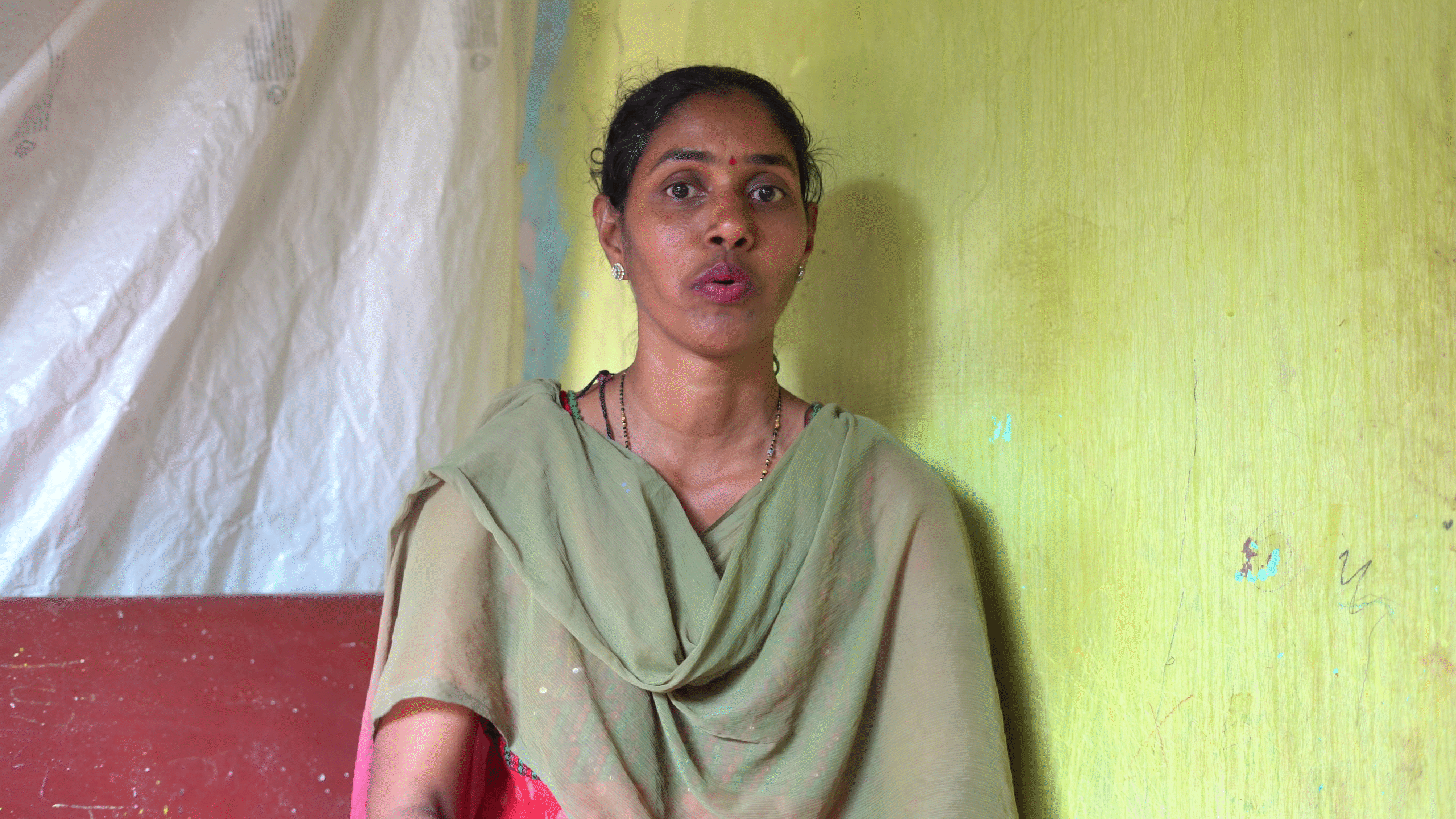
In the quiet lanes of Saligao, behind the busy local fish market, a small pottery studio quietly keeps Goa’s earthen traditions alive. For the past 22 years, Pournima Sakhalekar has been working with clay, transforming simple soil into beautiful handcrafted pieces while also shaping lives, especially of young students and women who look up to her journey.
Her story began at home. While she was still in college, her elder sister completed a pottery course and started a small clay-based business. The house slowly turned into a creative space filled with wet clay, handmade textures and drying pots lined along the walls. At first, Pournima only helped occasionally — kneading clay, cleaning finished pieces and assisting with small tasks. But the more she worked with clay, the more she felt connected to it. What started as helping soon became a deep interest.
After completing her studies, she tried working outside in regular jobs. However, she felt dissatisfied and disconnected. It was her sister who encouraged her to take pottery seriously and learn the craft properly. Gradually, she began understanding the technical side — sourcing clay, preparing it, shaping, firing and finishing. She realized that pottery was not just art; it was both livelihood and identity.
The clay used in her studio comes from areas like Mandrem and Lamgao in Goa. Over time, sourcing locations changed due to availability issues, but the focus remained on quality soil suitable for different purposes. She explains that there are mainly two types of clay she works with. One type dissolves easily in water and is ideal for making eco-friendly Ganesh idols. The other type is meant for kiln baking, used to create durable pots, cups, decorative pieces and utility items.
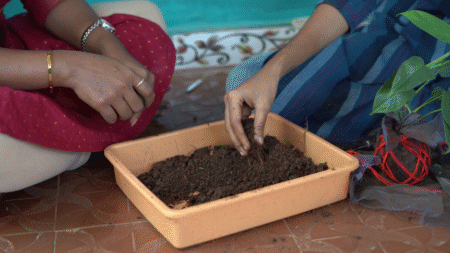
The preparation process is detailed and physically demanding. Clay is first soaked in water, cleaned, filtered and kneaded thoroughly to remove impurities. It is then shaped into desired forms and left to dry naturally. Once dried, the pieces are arranged carefully inside a kiln. Earlier, traditional wood-fired kilns were used, which required precise control of heat and layering of materials. Today, electric and gas kilns are also used, allowing better temperature control and consistent coloring. Still, the essence of traditional firing remains deeply valued.
Marriage did not stop her journey. Before getting married, she made it clear that pottery was not a hobby she would abandon. She wanted to continue teaching and creating. Fortunately, she received support from her husband and mother-in-law. Just one month before her wedding, she was already conducting classes. Within fifteen days after marriage, she received an offer from a school to teach pottery, and she resumed work immediately. Her students did not want her to stop, and their encouragement strengthened her resolve.
Her first major breakthrough came when she participated in an exhibition outside Goa in Kerala. The response was overwhelming. Sales were strong, appreciation was high and her confidence soared. After that, she continued participating in exhibitions across Goa with support from Goa Handicrafts and the Department of Art and Culture. Over the years, she conducted nearly a decade of exhibitions, building recognition and credibility.
She also formed self-help groups and became associated with handicraft networks that opened more doors. Support from officials and art promoters helped her take her work to wider audiences. But beyond exhibitions and sales, her true passion lies in teaching.
She has conducted workshops in several schools, including Government High School in Saligao, where even international students have attended sessions. Through live demonstrations, she explains the value of Goan soil and the importance of handmade art. She encourages students not to blindly copy ideas from mobile phones and social media but to develop their own creativity. According to her, originality gives identity, and identity builds confidence.
Her work has also extended to children with special needs, including those with autism. She believes clay has therapeutic value. The tactile experience of kneading and shaping clay can calm the mind and improve focus. Watching children create something with their own hands gives her immense satisfaction.
Today, MS Pottery Studio offers a variety of handcrafted products including candle stands, hanging decorative items, fish-shaped ashtrays, traditional clay cups, seasonal Gur-Gur pots and customized pieces. Some designs have been created for over 25 years, originally started by her sister and now continued with pride. Each item reflects Goa’s coastal character and earthy charm.
Despite increasing digital influence and mass-produced goods, she remains committed to preserving traditional pottery. She participates in weekly markets and accepts orders through social platforms, ensuring her art reaches modern audiences without losing authenticity.
Her message to women is simple and direct. She urges them not to remain dependent or idle. Government skill courses are available free of cost, and opportunities exist in catering, handicrafts and other creative fields. She believes that when a woman decides to stand for herself, support eventually follows. Financial independence, according to her, builds self-respect and strength within families.
In a world driven by screens and shortcuts, her pottery wheel continues to spin steadily. Each rotation carries years of dedication, resilience and quiet courage. From a young girl helping her sister to a confident artisan and mentor, Pournima Sakhalekar’s journey proves that even the simplest soil can create something extraordinary when shaped with passion.