Team Goemkarponn
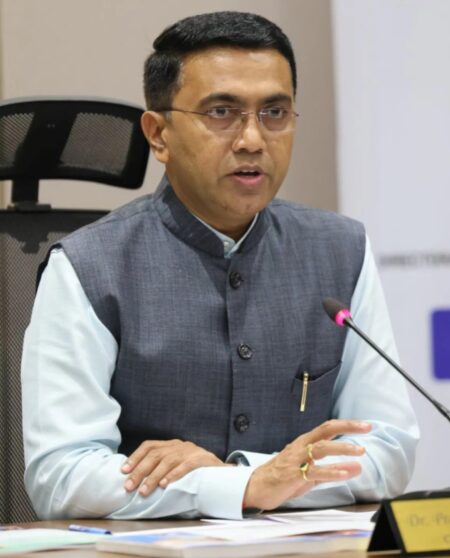
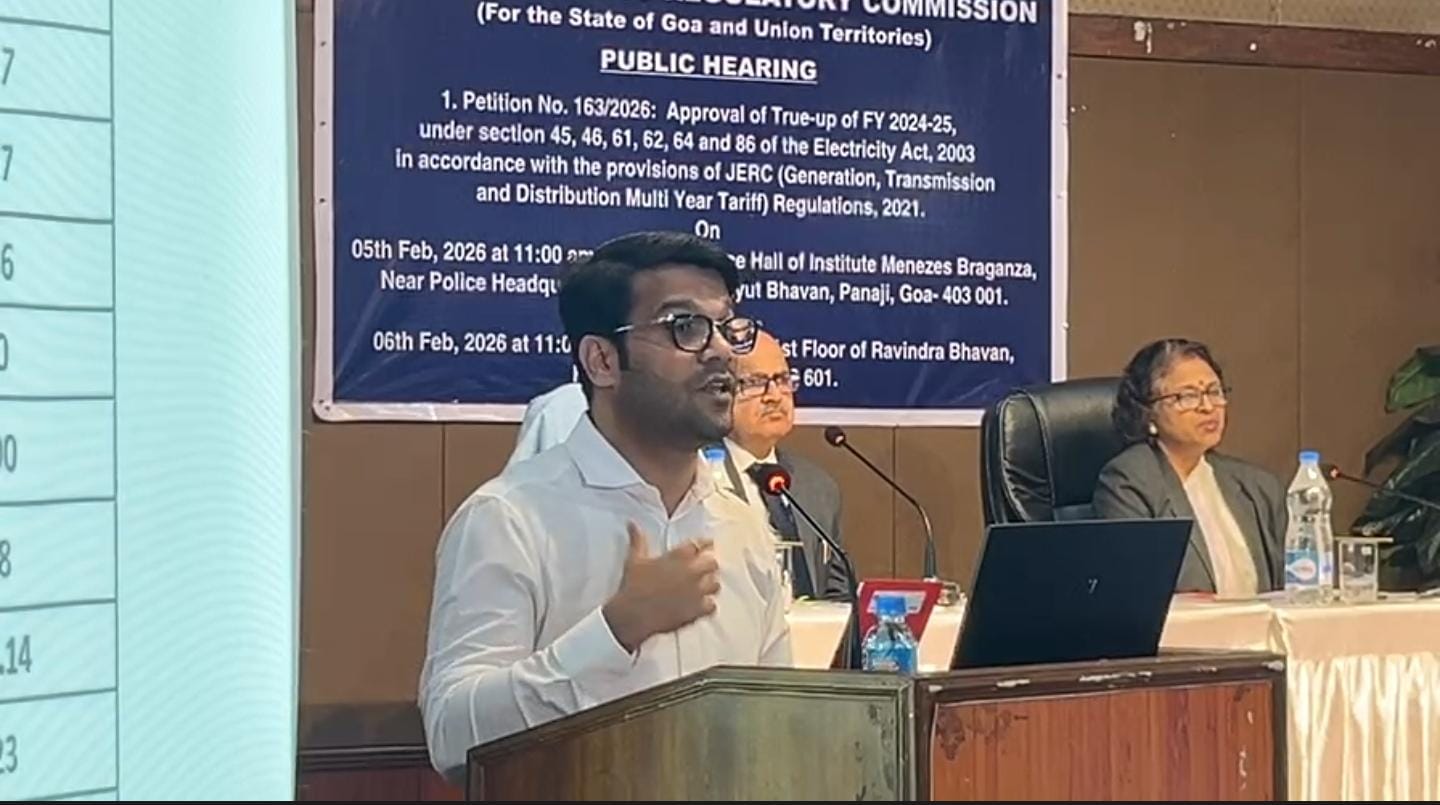
Panaji: Chief Electrical Engineer (CEE) Stephen Fernandes today said that the introduction of smart metering in Goa is transparent, beneficial and necessary to modernise the power distribution system, even as the issue has drawn political debate in some quarters.
Speaking at a public interaction, Fernandes said smart metering has become politically sensitive, with opposition driven more by political motives than technical facts.
He clarified that smart meters will not alter the basic method of recording electricity consumption, as Goa is already using electronic meters.
“Smart metering will not change consumption recording. It will only provide better insights, improve efficiency and enhance transparency,” Fernandes said, urging Goa not to compare itself with states like Bihar or Uttar Pradesh, as the State already has a comparatively advanced power infrastructure.
Fernandes said smart meters would help both consumers and the electricity department understand usage patterns more clearly, reduce billing errors and strengthen accountability. “The system is very transparent and is the need of the hour,” he added.
Meanwhile, Power Minister Sudin Dhavalikar has assured electricity consumers that they will not be required to pay any amount for the installation of smart meters being rolled out under the Revamped Distribution Sector Scheme (RDSS).
Dhavalikar said the smart metering project, estimated at ₹890.11 crore, involves the installation of 7,50,356 smart meters across the State. “Consumers are not required to pay anything for the installation of smart meters. The entire cost will be borne through government funding and the project structure,” the Minister said.
He explained that the project is being implemented under the Advanced Metering Infrastructure Service Provider (AMISP) model, wherein payments will be made on a per-meter, per-month basis over a period of 93 months, instead of upfront capital expenditure.
Out of the total project cost, Gross Budgetary Support of ₹70.11 crore will be provided by the Central Government under the RDSS, thereby reducing the financial burden on the State government.
Addressing concerns over data privacy, Dhavalikar said that only electricity consumption-related parameters will be collected through smart meters. “All data is encrypted during transmission and storage, strictly in accordance with government-mandated cybersecurity protocols and industry standards,” he said.
The government has maintained that smart metering is a key reform aimed at improving efficiency, transparency and service delivery in Goa’s power sector.