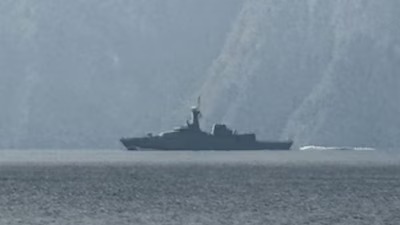
New Delhi: The naval command of Iran has declared that the strategic Strait of Hormuz will not return to its previous status, indicating a significant shift in the country’s maritime posture amid escalating tensions in West Asia.
According to statements from the naval wing of the Islamic Revolutionary Guard Corps, the current developments in the region have permanently altered the balance of power in the crucial waterway. Officials asserted that external forces, particularly the United States and Israel, would no longer be able to operate with the same level of influence near Iranian waters as in the past.
The announcement was shared through official channels, emphasising that the strait’s conditions have fundamentally changed for countries viewed as rivals by Tehran. The remarks also highlighted ongoing preparations for what Iranian authorities describe as a new security arrangement in the Persian Gulf.
Iranian naval officials indicated that the country is working toward establishing a regionally managed security framework in the Gulf. The concept is based on the idea that nations bordering the waterway should be responsible for maintaining stability and security without the presence of foreign military forces.
As part of this approach, Iran is reportedly expanding its naval deployments, strengthening surveillance systems and enhancing rapid response capabilities in the surrounding waters. The move is aimed at safeguarding its maritime boundaries while ensuring the continued flow of energy shipments through the strait, one of the world’s most vital oil transit routes.
The statement comes shortly after renewed warnings from Donald Trump, who cautioned Iran against limiting access through the waterway and threatened strong retaliation if restrictions were imposed. Iranian officials have maintained that the passage remains open, but suggested that vessels connected to the United States, Israel or their allies could face limitations.
Despite the sharp rhetoric, diplomatic channels appear to remain active. Reports indicate that discussions involving Washington, Tehran and regional intermediaries are exploring the possibility of a temporary 45 day ceasefire that could create space for broader negotiations aimed at easing tensions in the region.