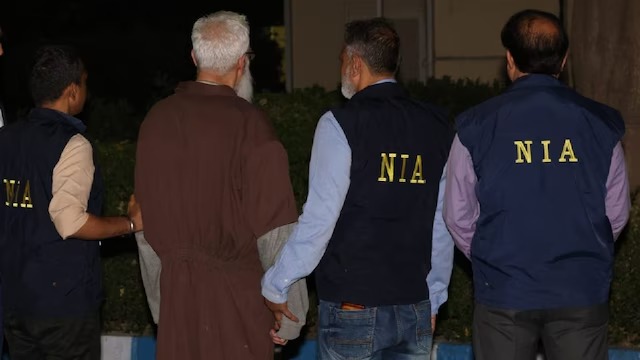
New Delhi: The extradition of Tahawwur Hussain Rana to India represents a significant development in the global fight against terrorism, with far-reaching implications for regional security dynamics. Rana, a Pakistani-born Canadian national, is implicated in the 2008 Mumbai attacks that resulted in 166 fatalities, including citizens from the U.S., U.K., and Israel. His extradition, finalized after the U.S. Supreme Court upheld the decision, underscores India’s growing diplomatic influence and its strengthened counterterrorism collaboration with the United States.
This event casts a spotlight on Pakistan’s alleged involvement in fostering terrorism, particularly through its intelligence agency, the Inter-Services Intelligence (ISI). Rana’s associations, notably with David Coleman Headley—who conducted reconnaissance for the attacks—suggest a coordinated effort between militant groups like Lashkar-e-Taiba (LeT) and elements within Pakistan’s state apparatus. The extradition may unveil further details about the roles of key figures such as LeT chief Hafiz Saeed and other ISI operatives in orchestrating the attacks.
Analysts posit that Rana’s trial could expose the intricate links between international terrorist organizations and local groups, potentially implicating Pakistani state actors in the orchestration of the Mumbai attacks. This revelation aligns with India’s longstanding assertions regarding Pakistan’s role in cross-border terrorism, challenging Pakistan’s narrative of non-involvement. The proceedings are anticipated to shed light on the operational mechanisms of these terror networks and their connections to state institutions.
Furthermore, the extradition serves as a testament to the efficacy of legal frameworks over authoritarian measures in combating terrorism. It highlights the importance of international legal cooperation and the pursuit of justice through established judicial processes. This development not only bolsters India’s position as a regional security leader but also sends a clear message about the international community’s commitment to addressing state-sponsored terrorism.
In summary, Tahawwur Rana’s extradition to India is a pivotal moment that may unravel deeper connections between terrorist organizations and state actors, particularly implicating elements within Pakistan. It reinforces India’s strategic partnerships and underscores the global resolve to confront and dismantle terrorism networks.