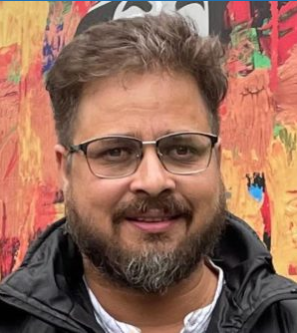
In a recent outburst that has sent shockwaves through Goa’s political scene, former minister Pandurang Madkaikar accused current BJP ministers of corruption, suggesting that they are more focused on “counting money” than serving the public.
His claims included a shocking admission of having paid a bribe ranging between Rs 15 to 20 lakhs to the personal assistant of an unnamed minister to expedite the clearance of a file related to his work.
This dramatic revelation raises several questions: Who is the minister in question? Why is Madkaikar hesitant to name him? And what exactly motivated this dramatic accusation?
Madkaikar’s assertions are alarming, especially coming from someone with a history tainted by allegations of corruption during his tenure as a minister. His character and credibility come into question when he makes bold statements about the integrity of others while harbouring his own dubious past.
This context poses a challenge in discerning whether his allegations hold any weight or if they stem from personal grievances and a past filled with controversies.
The crux of Madkaikar’s allegations seems to be an indictment of a larger systemic issue — corruption within Goa’s political and administrative framework. While his claims may sound like a revelation, they aren’t novel to those familiar with the state’s politics. Corruption in Goa is a well-documented problem, reaching every level of governance. However, the essence of his accusations and the rationale behind his reluctance to provide concrete evidence, such as naming the minister or the PA involved, invites scepticism.
Every rational observer is compelled to question why Madkaikar, despite having allegedly engaged in corrupt practices himself, chooses to remain silent on the specifics of his claims.
Why is he not willing to unveil the identity of the minister or provide details about the alleged illegalities in his file? The public is left to wonder whether his accusations are merely a deflection from his past indiscretions or if there is a genuine motive behind them.
Moreover, this situation underscores a crucial issue in combating corruption in Goa: the lack of accountability amongst political leaders. Madkaikar’s admission of bribery raises ethical questions about his integrity and motives. If he has proof of such a transaction, he would need to provide it to avoid the appearance of self-serving tactics. Vague allegations without concrete proof only muddy the waters and divert attention from meaningful discussions about governance and reform.
In a state where trust in government appears to be waning, it is imperative that allegations of this nature are treated with seriousness. But it is equally essential that those making such claims back them up with evidence. Public trust hinges on accountability, and both the accuser and the accused must be prepared to justify their positions.
For now, the political theatre surrounding Madkaikar’s claims leaves more questions than answers. As Goa looks to its leaders for transparency and integrity, the onus is on figures like Madkaikar to either substantiate their claims with verifiable details or retract them, thereby preserving the integrity of Goa’s political discourse. Until then, the name of the minister and the truth behind the allegations remain frustratingly elusive.
Sorry, there was a YouTube error.