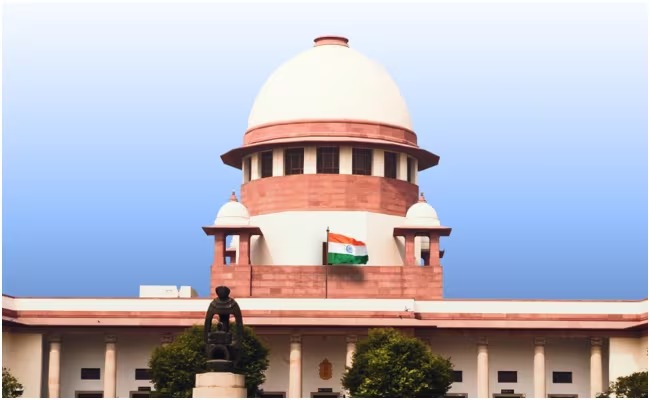
New Delhi: The Supreme Court on Thursday raised concerns over the Election Commission’s decision to carry out a special intensive revision of Bihar’s electoral rolls just months before the 2025 Assembly elections. While acknowledging the legality of updating voter lists, the court said the timing could lead to genuine voters being dropped without a chance to appeal. Justice Sudhanshu Dhulia told the EC, “The exercise is not the problem… it is the timing,” warning that once voter rolls are finalized, courts typically do not interfere, leaving disenfranchised individuals without recourse. Justice Joymala Bagchi added that while ensuring non-citizens do not remain on rolls is important, such revisions should be conducted independently of election cycles.
The court asked the Election Commission to respond to three key questions: under what authority it is conducting a “special intensive revision”; what the legal validity of the process is; and why the revision is being done so close to the elections. It also questioned the legal basis for such a category, pointing out that only “summary” and “intensive” revisions are defined in the Representation of People Act.
Senior advocate Gopal Sankaranarayan, representing the petitioners, argued that the revision was arbitrary and discriminatory, particularly because long-time voters are being asked to re-verify their identity without being allowed to use Aadhaar, despite government amendments allowing its use. He noted that Bihar has seen 10 major elections since the last revision in 2003, and questioned why the EC was now conducting this exercise with just a 30-day window for the draft. He also criticized the EC for accepting only a limited set of documents and allegedly asking for verification of parents’ identities, which he argued disproportionately affects the poor and migrants.
The case has sparked political backlash, with the Congress and RJD accusing the EC of trying to exclude sections of the population likely to vote against the ruling alliance. Senior advocate Vrinda Grover said the revision is designed to target vulnerable groups such as migrant workers and the poor, and warned that it could distort electoral outcomes. The Supreme Court has refused an interim stay but will continue to hear the case, pressing the EC to justify its timing, legal authority, and the potential consequences of its actions.
Sorry, there was a YouTube error.