New Delhi: The ongoing tensions in the Middle East could create new risks for the global economy, particularly if oil prices remain high for an extended period, according to Kristalina Georgieva, Managing Director of the International Monetary Fund.
Speaking at an economic symposium organised by Japan’s finance ministry, Georgieva said the conflict in the region is once again testing the resilience of the global economy. She warned that persistent increases in energy prices could significantly influence inflation trends worldwide.
According to Georgieva, if oil prices rise by around 10 percent and remain elevated for most of the year, global inflation could increase by nearly 40 basis points. She urged policymakers to prepare for unexpected economic shocks in the current geopolitical environment and to develop strategies that can address worst case scenarios.
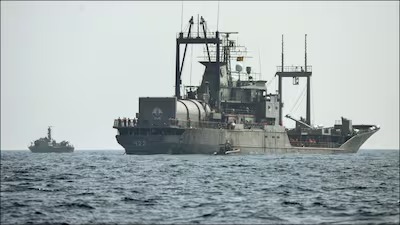
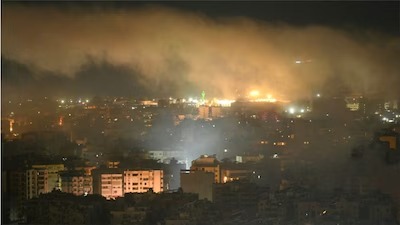
Concerns over energy markets have grown amid escalating tensions involving Iran, Israel and the United States. The developments have raised fears about potential disruptions to key oil supply routes in the region.
A recent assessment by the Ministry of Finance also highlighted the possible economic consequences of a prolonged crisis in West Asia. The report noted that the conflict has already affected shipping activity through the Strait of Hormuz, a critical maritime route that carries about one fifth of the world’s oil supply.
Energy markets have reacted sharply to the geopolitical developments. Prices of Brent Crude have climbed nearly nine percent to around 80 dollars per barrel, while global liquefied natural gas prices have surged significantly.
The finance ministry report warned that a sustained rise in petroleum prices could place pressure on exchange rates and widen current account deficits, potentially fuelling inflation in several economies. However, it noted that India’s macroeconomic position remains stable due to strong foreign exchange reserves, controlled deficits and steady growth.
The report estimated India’s real GDP growth at about 7.6 percent for FY26 and projected expansion between 7 and 7.4 percent for FY27.
Meanwhile, the surge in global oil prices has already affected neighbouring Pakistan, where authorities recently raised petrol and diesel prices by roughly 20 percent, triggering public concern over rising living costs and the possibility of another wave of inflation.