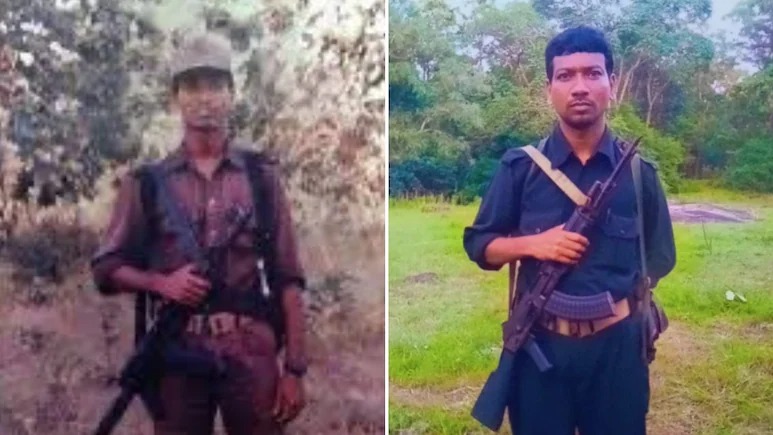
New Delhi: Top Maoist commander Madvi Hidma, long considered one of the most dangerous leaders of the CPI Maoist and linked to more than two dozen deadly attacks, has been killed in an encounter in Andhra Pradesh’s Alluri Sitharamaraju district. The operation unfolded early in the morning at the Maredumilli forest area, a region known for Maoist hideouts near the tri-junction of Andhra Pradesh, Chhattisgarh and Telangana. Security personnel have so far spotted at least six bodies, and the search operation continues.
According to officials, the exchange of fire took place between 6 am and 7 am. A large combing operation has been launched in the dense forest region following the encounter. Hidma’s wife, Rajakka, is also believed to be among those killed.
Born in 1981 in Sukma, Hidma rose through the ranks of the People’s Liberation Guerrilla Army to become one of the youngest members of the CPI Maoist Central Committee. He was the only tribal representative from the Bastar region on the party’s top leadership panel and carried a reward of Rs 50 lakh. His strategic planning and operational control made him one of the most feared Maoist figures in the country.
Hidma is associated with some of the most devastating attacks in recent decades. These include the 2010 Dantewada ambush that killed 76 CRPF personnel, the 2013 Jhiram Ghati attack that claimed 27 lives including senior political leaders, and the 2021 Sukma-Bijapur assault in which 22 security personnel were killed.
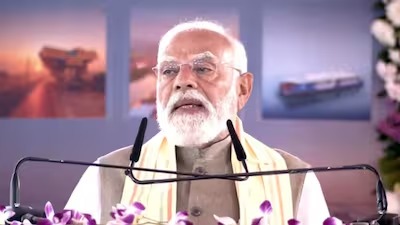
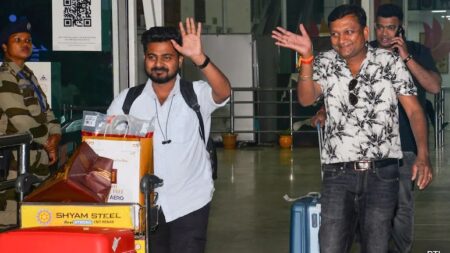
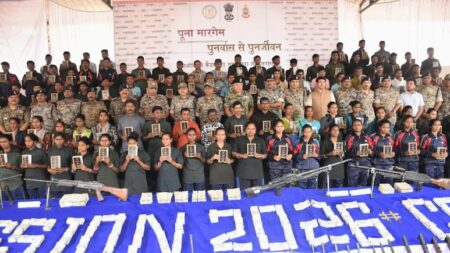
His death is seen as a major setback for Maoist groups already weakened by continued security operations and a surge in surrenders. Recent months have seen unprecedented numbers of cadres laying down arms. At a public forum last month, the Prime Minister highlighted that more than 300 Maoists surrendered within a single day, noting that decades of violence had deprived communities of education, healthcare and development.
One of the recent high-profile surrenders came from senior Maoist leader Mallojula Venugopal Rao, also known as Bhupathi, who urged remaining cadres to abandon violence and return to mainstream society. He said years of armed struggle had distanced insurgents from the people and signalled the futility of the path they had chosen.