Team Goemkarponn
Panaji:
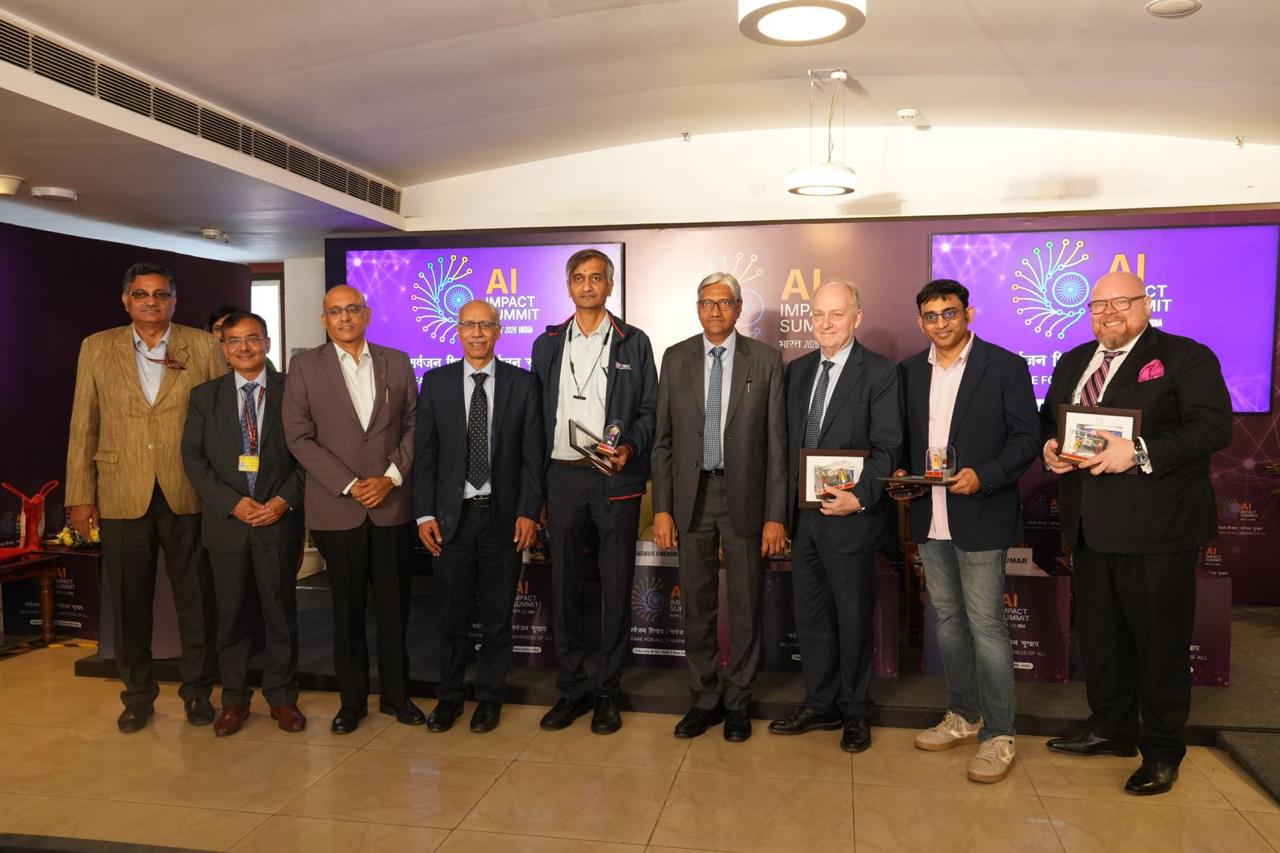
The Telecom Regulatory Authority of India hosted a session on “Responsible AI in Telecom” during the India AI Impact Summit 2026 at Sushma Swaraj Bhawan in New Delhi, bringing together industry executives, policymakers and technology experts to discuss the growing role of artificial intelligence in telecom networks and services.
The session focused on governance frameworks, operational challenges and the need for safeguards as AI becomes central to network management and consumer-facing telecom services. Participants highlighted the convergence of AI and telecommunications as a key factor shaping network architecture, service delivery and customer experience.
In his opening address, TRAI Chairman Anil Kumar Lahoti said artificial intelligence is rapidly becoming integral to telecom operations, making trust and accountability essential to its adoption. He noted that while AI can improve efficiency and performance, deployment must be supported by transparency, human oversight and clear regulatory guardrails to ensure fairness and reliability.
Lahoti said telecom networks form a critical part of India’s AI infrastructure, especially given the country’s large subscriber base. He pointed to the growing use of AI in predicting network faults, improving energy efficiency, enhancing customer service and tackling spam and fraudulent communications. AI-driven filtering tools and enforcement measures have already helped authorities act against spam-linked connections, while work is ongoing on digital consent frameworks to regulate commercial communications.
He also reiterated the regulator’s intention to follow a risk-based approach and promote innovation through regulatory sandbox initiatives while protecting consumer interests.
The session featured two panel discussions that examined both the technical and governance aspects of AI adoption in telecom.
The first panel, titled “Preparing Telecom Networks for AI Era,” discussed how telecom infrastructure must evolve to support AI-driven operations. Participants included executives from Ericsson, Qualcomm, Nokia and Tejas Networks. The discussion focused on integrating AI into network management systems, improving explainability in automated decisions and ensuring security and environmental sustainability. Panelists said AI-enabled automation is becoming central to managing increasingly complex 5G networks and future telecom systems.
The second panel, “Building Customer Trust through AI-driven Operations,” examined regulatory and consumer protection issues linked to AI deployment. Representatives from GSMA, C-DOT, Vodafone India Ltd and the Telecommunication Engineering Centre under the Department of Telecommunications discussed transparency in automated decision-making, ethical AI governance and mechanisms to strengthen consumer confidence.
Panelists also highlighted the need for common standards and the creation of an AI incident database to track system failures and risks, particularly in critical telecom infrastructure. Discussions also covered the use of AI in fraud detection, spam prevention and customer analytics as telecom networks evolve toward 5G and future 6G technologies.
Participants emphasised that responsible AI adoption in telecom will require continued coordination between regulators, service providers and technology firms. The session concluded with a broad consensus on the need to balance innovation with safeguards to ensure secure and trustworthy AI deployment in telecom networks.