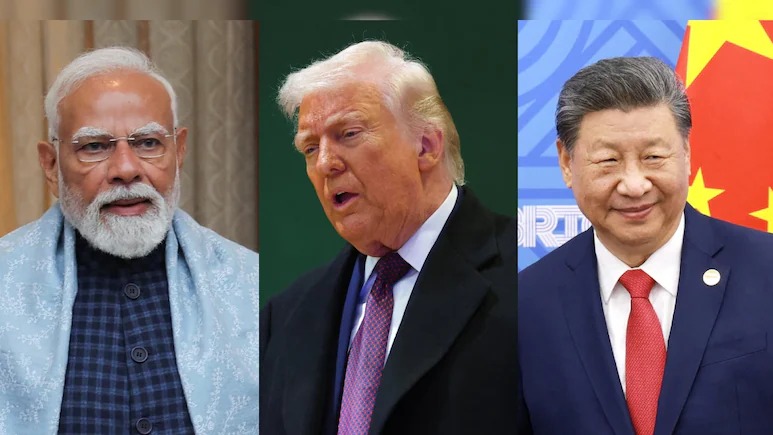
New Delhi: The administration of Donald Trump has launched new investigations into trade practices of 16 major partners, including India and China, as part of an effort to reintroduce tariff pressure following a recent legal setback. The probes are being conducted under the Section 301 of the Trade Act of 1974, which allows the United States to impose tariffs or other penalties against countries accused of unfair trade policies.
Officials said the investigations could lead to fresh tariffs against several economies by the summer. Along with India and China, the potential measures may target the European Union, Japan, South Korea and Mexico.
The trade probe also includes other economies such as Taiwan, Vietnam, Thailand, Malaysia, Cambodia, Singapore, Indonesia, Bangladesh, Switzerland and Norway. Authorities said the focus will be on economies believed to have structural overcapacity in manufacturing sectors, often reflected through large and persistent trade surpluses.
The move comes after the US Supreme Court struck down earlier global tariffs introduced by the Trump administration under emergency powers. In response, temporary tariffs were imposed using other legal provisions while new investigations were initiated to support additional trade measures.
Trade officials indicated that the investigations are expected to progress quickly. Public comments will be accepted until mid April, followed by hearings scheduled for early May. Authorities aim to complete the probe and propose possible remedies before temporary tariffs imposed earlier this year expire in July.
Separately, the administration is also preparing another investigation under the same law focused on banning imports produced through forced labour. This review is expected to cover more than 60 countries and could expand existing restrictions already applied to products linked to the Xinjiang region of China.
The new probes are part of Washington’s broader strategy to address trade imbalances, strengthen domestic manufacturing and pressure trading partners to modify policies considered harmful to US industry.
Sorry, there was a YouTube error.