Washington: US President Donald Trump has expressed strong confidence in Pakistan’s leadership as tensions with Afghanistan intensify, suggesting that the crisis is best handled by Islamabad without direct American involvement. His remarks come at a time when cross border strikes and retaliatory attacks have sharply worsened relations between the two neighbours.
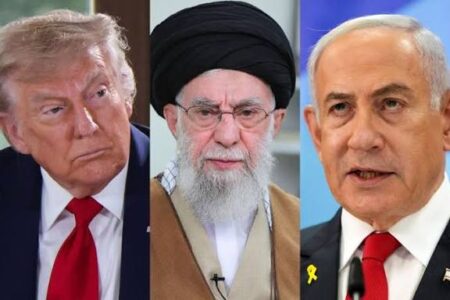
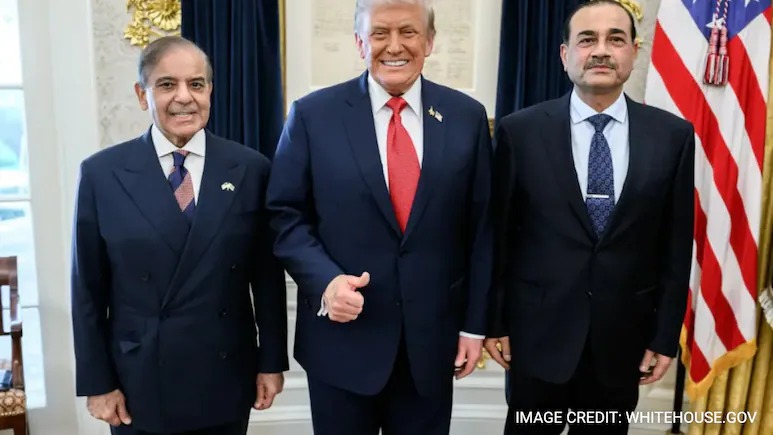
Speaking to reporters, Trump praised Shehbaz Sharif and Pakistan Army Chief Asim Munir, describing both leaders as effective and capable. He indicated that he had confidence in their handling of the situation and suggested that Pakistan was responding firmly to emerging security threats. Trump’s comments reflected a supportive tone toward Islamabad even as the conflict risks further destabilising the region.
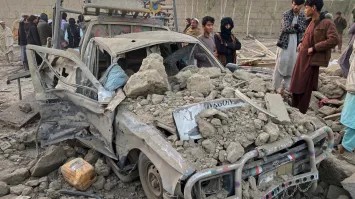
The fighting follows a series of military actions that Pakistan says were aimed at militant positions across the border. Afghan authorities have reported damage and casualties from the strikes, while tensions along the frontier continue to rise. The escalation marks one of the most serious confrontations between the two countries in recent years and has raised concerns about the possibility of prolonged hostilities.
Sharif has defended Pakistan’s actions, saying the country has the right to respond to threats and protect its territory. He has also emphasised that the armed forces remain prepared to deal with any further escalation. Pakistani officials maintain that their operations are targeted and necessary to counter militant activity near the border.
Trump’s remarks suggest that the United States is unlikely to play a direct role in the conflict, at least for now. Instead, Washington appears inclined to let regional powers manage the situation, even as international observers warn that continued clashes could worsen instability in an already fragile region.
With tensions still high and neither side showing signs of backing down, the situation remains volatile. Trump’s endorsement of Pakistan’s leadership underscores Washington’s current stance, but the risk of further escalation continues to cast a shadow over the region.