New Delhi: In a decisive move citing national security concerns, the Indian government has revoked the security clearance of Celebi Ground Handling India Private Limited, a Turkish-owned firm responsible for key services at nine major Indian airports. The Ministry of Civil Aviation issued the order on Thursday, stating that the clearance had been revoked “with immediate effect in the interest of national security.”
This action follows Turkey’s public support of Pakistan in the aftermath of India’s Operation Sindoor, a precision military campaign targeting terror camps in Pakistan and Pakistan-occupied Kashmir (PoK). Celebi, which also operates cargo services at Delhi’s Indira Gandhi International Airport through a separate entity—Celebi Delhi Cargo Terminal Management India—has now been dropped by the Delhi airport as well.
This marks India’s first formal punitive measure against a Turkish company, though diplomatic signs of strain have been building for years. New Delhi has been increasingly strengthening ties with Turkey’s regional adversaries, including Greece, Armenia, Cyprus, and Gulf allies like Saudi Arabia and the United Arab Emirates.
Responding to the government’s decision, Celebi Aviation issued a statement distancing itself from Turkish political affiliations. “Celebi’s operations in India are led and managed entirely by Indian professionals. We are an Indian enterprise committed to the country’s growth,” the company said. It emphasized its adherence to global standards of corporate governance, transparency, and neutrality.
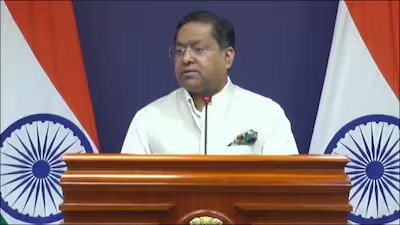
However, Minister of State for Civil Aviation Murlidhar Mohol reiterated that Celebi remains a Turkey-based company. “Given Turkey’s open support to Pakistan, and the current geopolitical scenario, this has become a matter of national security,” he stated.
Turkey-Pakistan Military Links Under Scrutiny
India’s decision comes amid heightened scrutiny of Turkey’s growing strategic and military ties with Pakistan and Azerbaijan. Following India’s strikes under Operation Sindoor, Turkish military hardware—including Bayraktar TB2 combat drones and Asisguard SONGAR drones—were reportedly used in retaliatory attacks by Pakistan. In addition, a Turkish warship was spotted in Karachi shortly before the operation began, and a Turkish Air Force C-130 cargo plane also landed in the city around the same time.
These developments have deepened India’s concerns over Turkey’s expanding involvement in the region’s security dynamics, particularly as it relates to Pakistan’s defense capabilities.
Rising Boycott Turkey Sentiment in India
The fallout from Turkey’s support for Pakistan has sparked a nationwide backlash in India. A growing “Boycott Turkey” movement is gaining momentum across social media, calling for the suspension of trade, tourism, and academic partnerships with the country. Prominent Indian universities, including Delhi’s Jawaharlal Nehru University, have reportedly cancelled collaborative programmes with Turkish institutions.
Travel agencies and tour operators are also taking action, with many refusing to accept or promote travel itineraries to Turkey. This could have a significant economic impact, as tourism contributes roughly 12% to Turkey’s GDP.
The Confederation of All India Traders (CAIT) has announced it will meet in New Delhi to discuss a complete trade boycott of Turkey and Azerbaijan. The organization, already active in a similar campaign against Chinese imports, may soon call for cutting all commercial ties with Turkey.
What Celebi Aviation Does
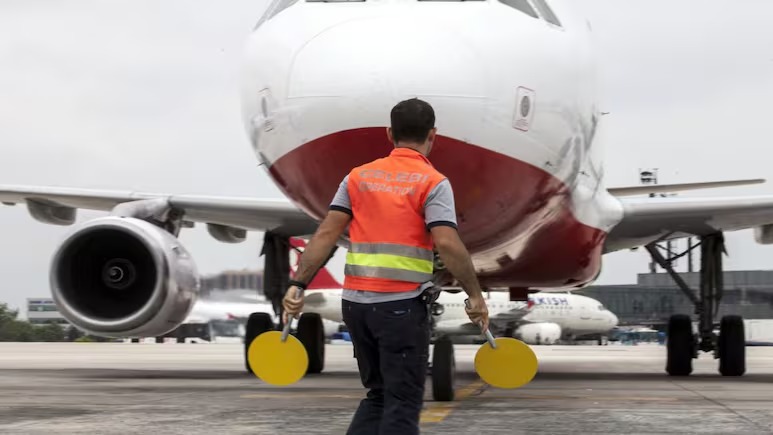
Celebi operates two distinct business entities in India. Celebi Airport Services India manages critical ground handling operations, including ramp services, load control, aircraft movement, and passenger bridge operations. Its tasks are integral to airport safety and efficiency. Meanwhile, Celebi Delhi Cargo Terminal Management oversees cargo and warehouse operations at Delhi Airport.
With the revocation of its security clearance, the future of Celebi’s operations in India is uncertain. The government’s move underscores a broader shift in India’s geopolitical posture following Operation Sindoor—one that includes not just military responses, but economic and strategic realignments as well.
Sorry, there was a YouTube error.