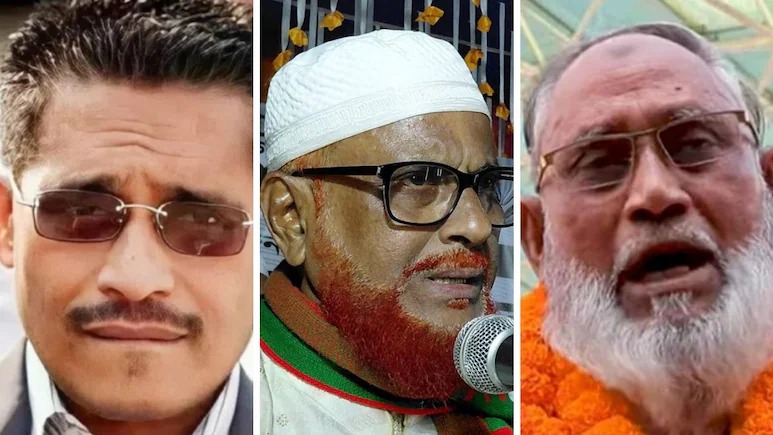
Dhaka: In Bangladesh’s recently concluded parliamentary elections, at least three former convicts secured victories, including two individuals who have been accused in cases involving anti-India terrorism. The development has drawn attention both within Bangladesh and internationally, raising questions about candidate eligibility and the political dynamics that propelled them to victory.
The three former convicts who won seats ran under various political banners and managed to secure enough voter support to enter the national parliament despite their criminal backgrounds. Among them, two candidates are facing allegations related to terrorism cases that involve activities linked to anti-India sentiments or actions. Their victories have prompted debate over how ex-convicts are able to contest elections and the criteria used to vet candidates.
Bangladesh’s electoral laws allow individuals to stand for office unless they are currently serving sentences or barred by specific legal disqualifications. In these cases, the candidates had completed their sentences or had secured legal clearances that allowed them to participate in the polls. This technical eligibility has been cited by election authorities in explaining how they were able to contest and ultimately win.
The success of these candidates also reflects broader electoral trends in parts of Bangladesh, where local networks, party influence and community ties often play a significant role in voter decisions. Supporters of the winning ex-convicts argued that their electoral victories were based on grassroots connections, constituency work and promises to address local needs, rather than their past legal troubles.
Critics, however, have expressed concern that the election of individuals with such serious allegations undermines public confidence in democratic institutions and raises uncomfortable questions about accountability and political culture. Analysts said the presence of ex-convicts in the legislature could create reputational challenges for Bangladesh’s political system and complicate diplomatic conversations, particularly with neighbouring countries sensitive to issues of terrorism.
Political parties that backed these candidates have maintained that legal processes determined eligibility and that voters ultimately made their choices in a free and competitive contest. They said branding winners solely by their past convictions oversimplifies the complex social and political factors that contribute to electoral outcomes in many constituencies.
The election also saw other first-time lawmakers and incumbent politicians secure seats, reflecting a mix of continuity and change in Bangladesh’s political landscape. Observers noted that while the overall contest was competitive, developments such as the success of ex-convicts underscore ongoing debates about accountability, legal reform and the standards expected of elected representatives.
For many voters in the constituencies where these ex-convicts won, everyday concerns such as infrastructure, access to services and economic opportunities appeared to weigh more heavily than legal histories. Local campaign issues and promises of development were cited repeatedly on the campaign trail, suggesting that voter priorities may differ from national or international media narratives.
As the new parliament prepares to convene, the presence of these lawmakers will be watched closely, with opponents likely to scrutinise their conduct and supporters emphasising their electoral mandate. The developments highlight the complex interplay between law, politics and public perception in Bangladesh’s evolving democratic process.