New Delhi: A new United Nations assessment has raised serious concern over the activities of the Pakistan based terror organisation Jaish-e-Mohammed, pointing to its alleged involvement in a deadly attack at Delhi’s historic Red Fort and warning about the creation of a separate women only unit to assist militant operations. The findings indicate that the group continues to adapt its methods despite years of international sanctions and security pressure.
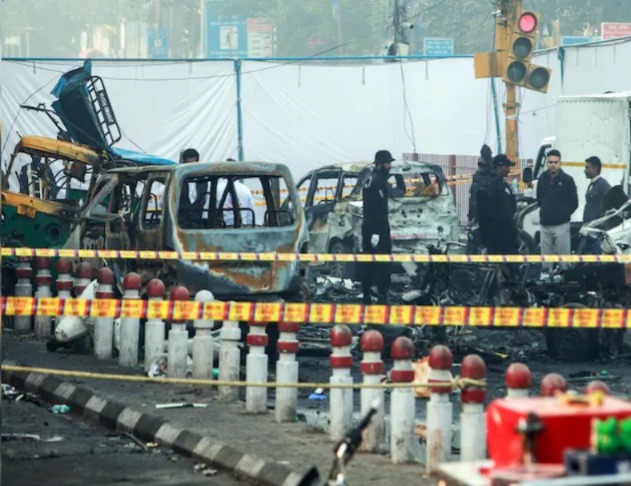
The counter terrorism monitoring team informed the UN Security Council that a member country had linked the organisation to the assault carried out on November 9 at the Red Fort, an incident in which 15 people lost their lives. The site is regarded as a powerful symbol of Indian sovereignty and any attack on it is viewed as a major threat to national security.
The report also highlighted that the group’s leader Masood Azhar announced the formation of a new body called Jamaat ul Muminat on October 8. This wing is intended to involve women in support roles for terror activities. Security experts believe such a move reflects an effort to widen the recruitment base and to bypass increased surveillance by using less suspected networks.
Jaish-e-Mohammed has been active since the year 2000 and has been blamed for numerous attacks mainly targeting India and particularly the region of Jammu and Kashmir. Its leadership has faced travel bans and financial restrictions under UN sanctions, yet the organisation has shown an ability to reorganise and remain influential.
The monitoring team noted that there are conflicting views among different governments about the current strength of the group. Some countries continue to describe it as operational and dangerous, while another member state suggested that it has become inactive. These differences in assessment have complicated international cooperation against terrorism in South Asia.
The UN document placed these developments within a wider pattern of instability across Central and South Asia, where extremist networks take advantage of porous borders and political tensions. It warned that even weakened outfits retain the capacity to carry out symbolic and high impact strikes.
The report concluded that continued vigilance is essential, as terrorist groups are increasingly changing their structure and methods to survive. The global body stressed that regional and international security could remain at risk unless coordinated action is strengthened.