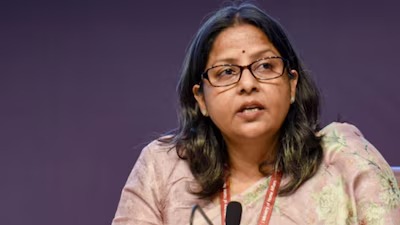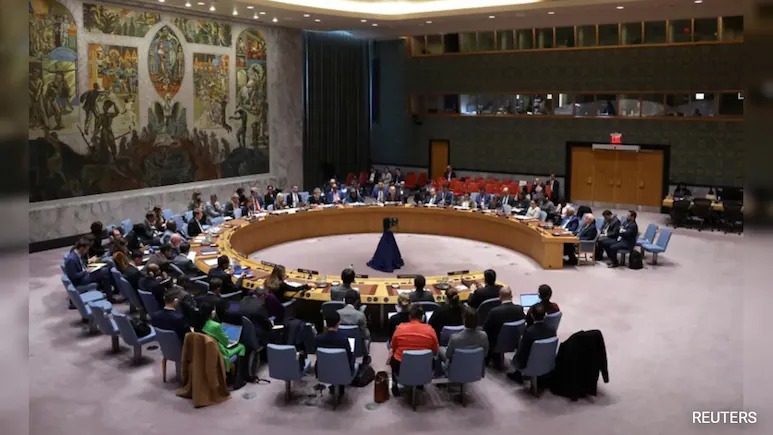
United Nations: India has stressed that UN peacekeeping operations can only be effective if the Security Council undergoes reform to reflect today’s geopolitical realities and ensure legitimacy. India’s Permanent Representative to the UN, P. Harish, made the remarks during an open debate on peacekeeping convened by South Korea, the Security Council president for this month.
“The effectiveness of UN peacekeeping is tied to the structure and legitimacy of the UN Security Council, which must be reformed to ensure expansion in both permanent and non-permanent categories to reflect contemporary realities,” Harish said. He pointed out that major contributors like India — the largest troop-contributing country to UN missions are excluded from permanent membership, even though the Council’s decisions determine the mandates for these operations.
Harish emphasized the need for a consensus-driven process, involving all stakeholders, especially troop and police-contributing countries. “Peacekeeping operations are facing multiple challenges with political, operational, and technological complexities,” he added. A return “to core principles of UN peacekeeping” is essential to address these issues.
The Indian envoy called for mandates to be “simple, realistic, clear, and focused” and stressed that peace operations are more likely to succeed when linked to a broader political process with a clearly defined outcome. Funding uncertainties also remain a key challenge, with mandates needing to align with available resources.
Harish’s remarks come amid concerns over dwindling support, with US President Donald Trump threatening to cut or eliminate contributions that account for 25% of the peacekeeping budget. “It is time that UN peacekeeping missions with outdated and obsolete mandates are withdrawn and liquidated,” Harish asserted, implicitly referring to missions like the UN Military Observer Group in India and Pakistan, which India has long deemed unnecessary.
Other senior UN officials echoed the need for reform. Jean-Pierre Lacroix, Under-Secretary-General for Peace Operations, noted that peacekeeping missions are not meant to be indefinite and require “clear, prioritised mandates, active political engagement, and statements of support” to succeed without backsliding into conflict.
Meanwhile, Rosemary DiCarlo, Under-Secretary-General for Political and Peacebuilding Affairs, highlighted the volatile contexts in which peacekeeping missions operate. “In such situations, the initial goals should be limited preventing violence escalation, achieving a ceasefire, or helping a fragile peace process gain momentum,” she said.
As the UN continues to navigate emerging challenges, India’s call for Security Council reform underscores the urgent need for structural changes to strengthen peacekeeping efforts and ensure that the global institution remains relevant in addressing contemporary conflicts.