Tehran: Explosions in Tehran, Sirens Wail in Tel Aviv
Explosions shook parts of Tehran after a coordinated military operation by the United States and Israel targeted sites inside Iran, dramatically escalating tensions in the Middle East. The strikes were followed by air-raid sirens across Tel Aviv and other Israeli cities amid warnings of possible Iranian missile retaliation.
US and Israeli officials described the operation as a pre-emptive and defensive action aimed at neutralising what they called growing security threats. While specific targets were not fully detailed, the strikes were reportedly linked to concerns over Iran’s missile capabilities and strategic military infrastructure. The operation marks one of the most serious direct confrontations involving Iran in recent years.
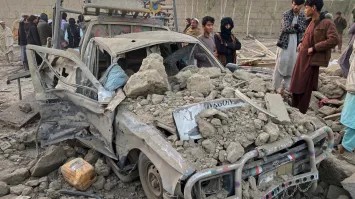
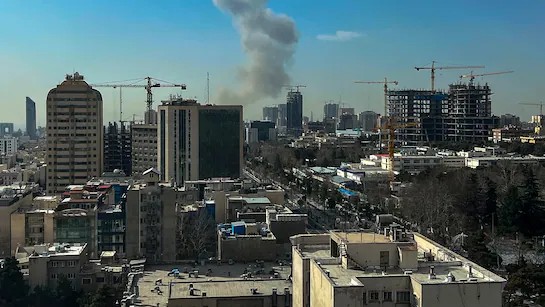
Residents in Tehran reported hearing multiple loud explosions late at night, with footage circulating on social media showing flashes in the sky and smoke rising from certain areas. Iranian state media confirmed that blasts had occurred but did not immediately provide a full assessment of the damage or casualties. Security forces were seen deployed in parts of the capital, and authorities urged the public to remain calm while investigations were underway.
Shortly after news of the strikes emerged, sirens began sounding in Tel Aviv and surrounding regions in Israel. The Israeli military warned of the possibility of incoming missiles and instructed civilians to move to shelters. Emergency protocols were activated nationwide, with defence systems placed on heightened alert in anticipation of potential retaliation.
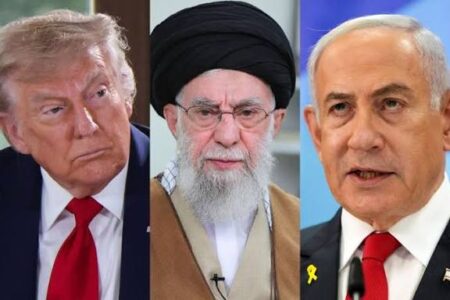
The Israeli government stated that the action was taken in coordination with the United States, underscoring the close security ties between the two allies. Washington has long supported Israel’s position that Iran’s expanding missile programme and regional military activities pose a significant threat. Though US officials have previously emphasised diplomacy, the latest developments signal a shift toward more direct military engagement.
Iran has repeatedly warned that any attack on its territory would be met with a firm and immediate response. While Tehran has not yet announced specific retaliatory measures, officials have condemned the strikes as an act of aggression and vowed that the country would defend its sovereignty.
The unfolding situation has triggered concern among global leaders, many of whom fear that direct US-Israel military action against Iran could spiral into a broader regional conflict. The Middle East has already been grappling with multiple flashpoints, and analysts warn that further escalation could disrupt energy markets, regional security, and international diplomacy.
Airspace in parts of the region was reportedly restricted as a precautionary measure, and neighbouring countries closely monitored developments. Diplomatic channels are expected to remain active as world powers assess the consequences of the strikes and attempt to prevent further escalation.
The confrontation reflects years of hostility between Iran and Israel, marked by covert operations, cyber warfare, and proxy conflicts. The United States’ involvement adds a new dimension, raising the stakes significantly. As both sides remain on high alert, the coming hours and days will be critical in determining whether the crisis expands into open conflict or is contained through deterrence and diplomacy.