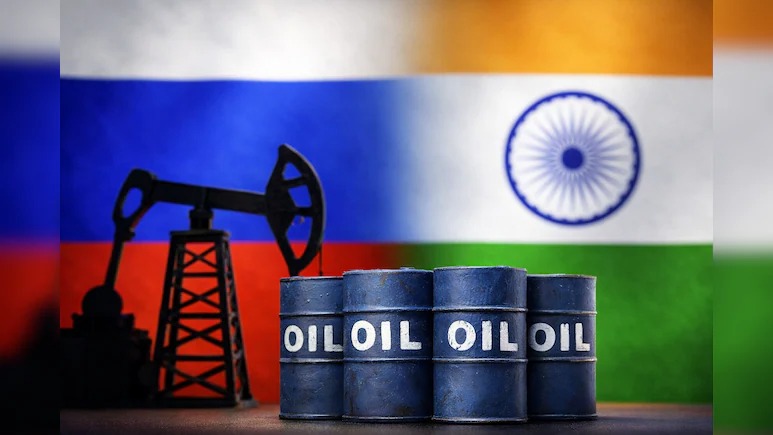
New Delhi: India has received a temporary 30 day waiver from the United States allowing refiners to purchase Russian crude that is currently stranded at sea. The decision offers short term relief for the country’s energy sector as escalating conflict in the Middle East disrupts global oil supply routes and raises concerns over shipment security.
The waiver permits transactions involving Russian crude that has already been loaded onto tankers but has not yet reached buyers. The measure aims to ensure that oil continues to circulate in global markets at a time when geopolitical tensions are affecting shipping routes and supply stability.
One of the biggest concerns for India is the Strait of Hormuz, a vital maritime corridor through which a large portion of the world’s crude oil exports passes. Nearly forty percent of India’s oil imports move through this route. With regional tensions increasing and insurers reassessing coverage for vessels travelling through the strait, the risk of disruptions to shipments has grown significantly.
In response to the waiver, Indian refiners have begun securing prompt cargoes of Russian crude from traders. Industry estimates suggest that about 20 million barrels have already been purchased. Shipping data also indicates that more than 30 million barrels of Russian oil are currently at sea, which could temporarily meet around six days of India’s oil demand.
For an economy that imports nearly ninety percent of its crude oil requirements, fluctuations in global oil prices have direct financial consequences. Rising crude prices typically increase India’s import bill and widen the current account deficit. Economic estimates suggest that every ten dollar increase in crude prices can expand the deficit by about half a percentage point of gross domestic product. Benchmark Brent crude has already climbed sharply in recent days.
Access to discounted Russian oil has previously helped Indian refiners control input costs and maintain healthy refining margins. If similar price discounts continue, the waiver could ease financial pressure on refiners and help moderate the impact of rising global oil prices on the domestic economy.
However, the decision also highlights the delicate balance India must maintain between energy security and geopolitical pressures. While the temporary exemption provides breathing space for refiners, the long term outlook will depend on developments in the Middle East, global oil prices and diplomatic dynamics surrounding Russian energy exports.
Sorry, there was a YouTube error.