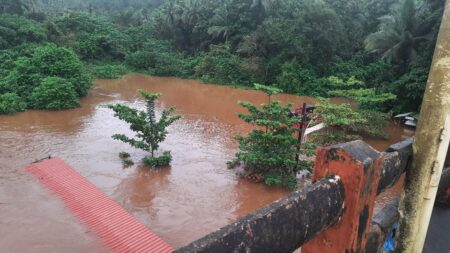
The proposed bandhara at Mirabag has triggered a growing protest movement in South Goa. What began as a small, local concern has now escalated into a wider agitation, even reaching the floor of the Goa Assembly.
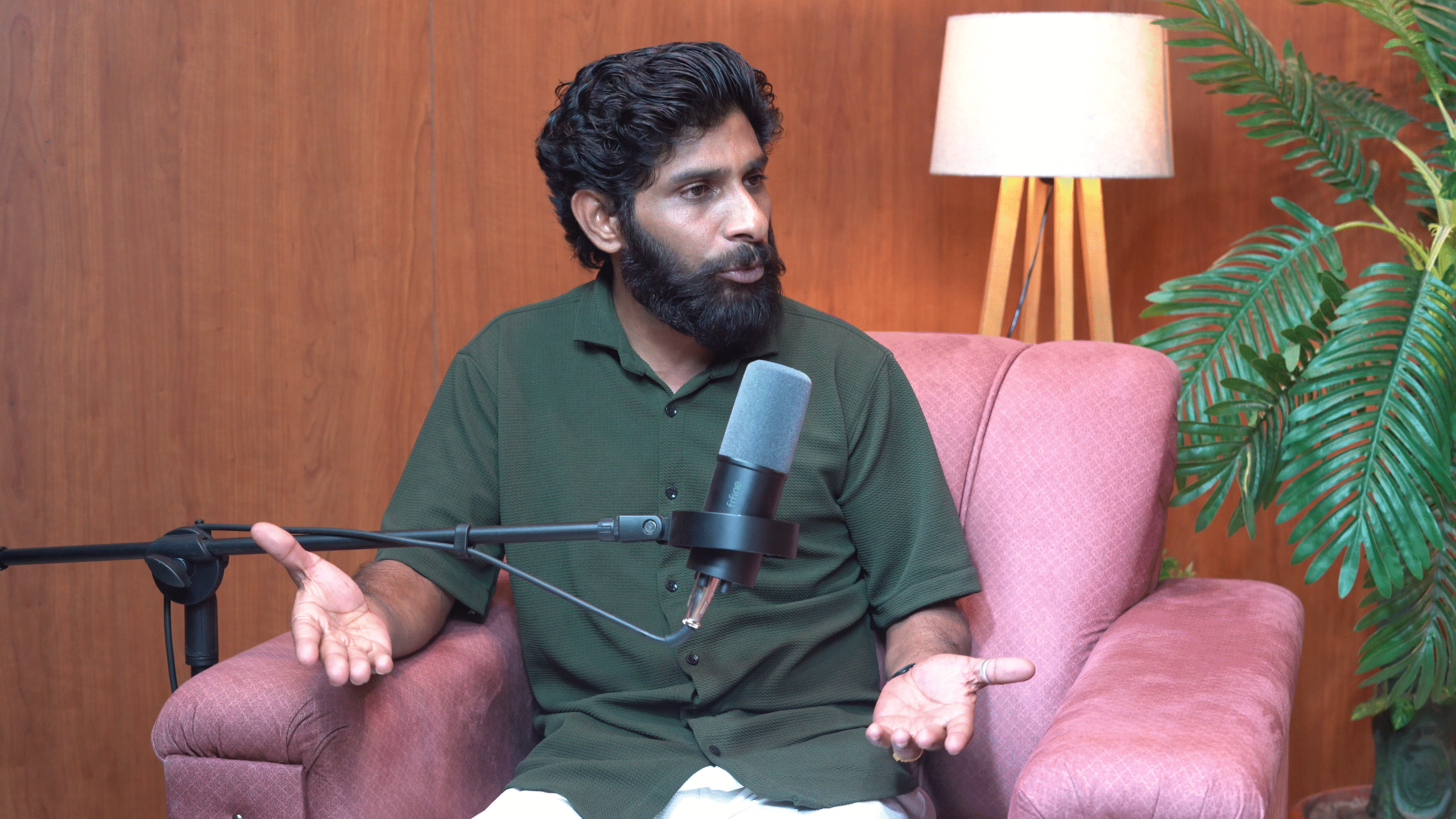
In this conversation, Editor Suraj Nandrekar talks to Sanket Bhandari about the origins of the movement, the controversial Assembly protest, and why locals say they are fighting for their very survival.
—
Q: The Mirabag issue has suddenly come into focus. What exactly happened in the Assembly?
Sanket Bhandari:
What happened in the Assembly was not sudden. This issue has been ongoing for nearly two years. But yes, recently it gained visibility when four of us went inside the Assembly premises with placards and raised slogans.
That was a deliberate step. We wanted to make our voices heard. For days, we had been protesting peacefully, but there was no response. The Assembly protest forced attention. Even the Speaker took note, and the Chief Minister had to comment.
—
Q: Critics say raising slogans inside the Assembly is inappropriate. How do you respond?
Sanket Bhandari:
We understand that the Assembly is a formal space. But tell me, where does a common man go when he is not heard anywhere else?
We did not damage anything. We did not act violently. We simply stood there and raised slogans. This was our way of telling the government: listen to us.
If elected representatives do not carry our voice, then we have to find ways to express it ourselves.
—
Q: When did this protest actually begin?
Sanket Bhandari:
The issue started about two years ago when the proposal for the bandhara came up. Initially, only a few people knew about it. It was reported in newspapers, but it did not gain much traction.
Over time, people began to understand the impact. In the last few weeks, the protests intensified. We have now been protesting continuously for nearly a month.
—
Q: What are your main demands?
Sanket Bhandari:
Our demand is very clear: we do not want the bandhara at this location.
We are not against development. We are not against water projects. But this particular project, at this particular site, will destroy our villages.
We are asking the government to scrap this plan and explore alternative solutions like pumping systems or shifting the project to a safer location.
—
Q: You mentioned villages being affected. Can you explain the impact?
Sanket Bhandari:
This is not just about land. It is about existence.
If the bandhara comes up, large parts of the area will be submerged. Homes, temples, schools, and agricultural land will be affected. My own house is in the danger zone.
There are temples, sacred sites, and riverbanks that people have been connected to for generations. These are not things you can relocate easily.
—
Q: The government says the project is for irrigation and public benefit.
Sanket Bhandari:
That is what they say. But we have serious doubts.
We have studied the issue. The area currently has a natural balance between freshwater and saltwater. If a barrier is constructed, saltwater intrusion could increase, affecting crops and soil fertility.
Farmers here depend on this ecosystem. If that balance is disturbed, agriculture will suffer.
—
Q: Have you been consulted by the government?
Sanket Bhandari:
Not properly. There have been meetings, but they were not transparent.
We were asked to attend presentations, but there is no clarity on who supports the project and who opposes it. There is no proper record of public opinion.
We feel decisions are being taken without genuinely considering the people who will be affected.
—
Q: The movement seems to have political undertones. Are political parties involved?
Sanket Bhandari:
This is not a political movement. This is a people’s movement.
Yes, individuals from different political backgrounds may support us. But the protest is not led by any party. It is led by villagers.
We have said from day one: this is about our rights, not politics.
—
Q: There were comparisons made with revolutionary actions in history. Do you see your protest in that light?
Sanket Bhandari:
People may draw comparisons, but our intention is simple. We are not promoting violence or extremism.
We are exercising our democratic right to protest. If raising slogans peacefully is being labelled as something else, that is unfair.
—
Q: How has the public response been so far?
Sanket Bhandari:
The response has been growing.
Initially, only a few people were involved. Now, more villagers are joining. People are beginning to understand the seriousness of the issue.
There is anger, but also determination. People are ready to stand together.
—
Q: Have you faced any restrictions during your protests?
Sanket Bhandari:
Yes. We have tried to protest peacefully in designated areas, but permissions have been denied at times.
We shifted locations when required. We followed rules. Even then, we felt our voice was being suppressed.
That is why we escalated our protest.
—
Q: What about law and order concerns?
Sanket Bhandari:
We have been very clear: our protest is peaceful.
We are not here to disrupt public life. We are not blocking roads unnecessarily. We are not creating law and order problems.
We are simply asking to be heard.
—
Q: What is your message to the government?
Sanket Bhandari:
Listen to the people.
Do not impose decisions that affect our lives without our consent. Study the environmental impact properly. Consider alternatives.
We are not unreasonable. But we will not accept something that threatens our existence.
—
Q: Will the protest continue?
Sanket Bhandari:
Yes. The protest will continue until our demands are met.
We are committed to this. We have already come this far. People have made sacrifices.
This is not just a protest. This is a fight to protect our homes, our environment, and our future.
—
Q: Finally, what keeps you going?
Sanket Bhandari:
The people.
When you see villagers, families, and even young people coming together, you realise this is bigger than any one person.
We are fighting for our land, our identity, and our right to live with dignity.
And we will not step back.