


“There is a difference between raising concerns through institutional channels and performing outrage in front of microphones. Leaders who truly want reform push for action, inquiries and corrective measures. Leaders who speak first and think later often leave behind confusion rather than solutions. By choosing the public stage over internal accountability, some leaders have weakened the very administration they are part of.
Naik’s intervention, therefore, should not be read as an attempt to suppress dissent but as a reminder of collective responsibility. A ruling party cannot function if every leader runs his own narrative. Governance demands coordination. Discipline is not an attack on democracy. It is a prerequisite for it.”
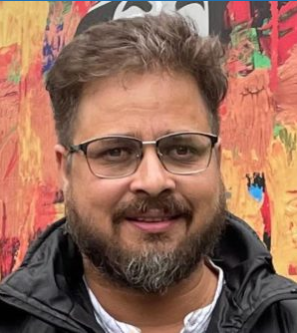
Political parties survive not just on ideology or numbers but on coherence. In that sense, the warning issued by Goa BJP president Damodar “Damu” Naik to party leaders to avoid harming the party’s image is less about authoritarian control and more about an organisation struggling to contain the damage caused by its own undisciplined voices. The real issue here is not the party. It is the conduct of certain leaders who appear to confuse public posturing with responsible politics.
In any ruling party, especially one governing a sensitive and economically fragile state like Goa, public statements carry weight. Words spoken casually by senior leaders do not remain personal opinions. They become political signals, administrative distractions and, at times, convenient ammunition for opponents. When such remarks hint at corruption, illegality or administrative failure without evidence or follow-through, they create uncertainty without accountability. That is not courage. It is carelessness.
The recent spate of comments by some BJP leaders, linking governance failures to alleged corruption in Goa’s tourism belt, must be viewed through this lens. Goa has just witnessed a tragic nightclub fire that exposed serious lapses in enforcement and safety norms. This was a moment that demanded sobriety, coordination and responsible leadership. Instead, what followed were loosely framed allegations aired in public, giving the impression of a government at war with itself.
There is a difference between raising concerns through institutional channels and performing outrage in front of microphones. Leaders who truly want reform push for action, inquiries and corrective measures. Leaders who speak first and think later often leave behind confusion rather than solutions. By choosing the public stage over internal accountability, some leaders have weakened the very administration they are part of.
Naik’s intervention, therefore, should not be read as an attempt to suppress dissent but as a reminder of collective responsibility. A ruling party cannot function if every leader runs his own narrative. Governance demands coordination. Discipline is not an attack on democracy. It is a prerequisite for it.
What is worrying is the growing tendency among certain politicians to use public criticism as a shield. Once a statement is made, any attempt at clarification or accountability is portrayed as victimisation. This culture of political freelancing may serve individual egos, but it does little for governance. In fact, it erodes public trust. Citizens are left wondering whether leaders are serious about reform or merely distancing themselves from potential fallout.
Goa’s political environment is already volatile. Tourism, the backbone of the state’s economy, is under constant scrutiny for regulatory lapses and safety concerns. In such a climate, irresponsible statements from within the ruling establishment can cause real harm. Investors hesitate. Tourists worry. Officials become risk-averse. None of this helps the state.
The BJP, as an organisation, has built its strength on structure and hierarchy. That structure exists precisely to prevent chaos and contradiction. Leaders who ignore this framework undermine not just the party but the stability of governance itself. Internal mechanisms exist for a reason. Using them is not weakness. It is maturity.
There is also a moral obligation that comes with power. Leaders cannot claim insider knowledge of wrongdoing and then stop at soundbites. If there is evidence of corruption or illegality, it must be pursued relentlessly through lawful means. Anything less reduces serious issues to political theatre.
Naik’s warning should ideally serve as a course correction. It is a call for restraint, not silence. Debate is healthy, but it must be purposeful. Criticism is valid, but it must be responsible. The public does not benefit from leaders who speak without strategy or accountability.
Goa needs governance that is steady, credible and focused. That requires leaders who understand that discipline is not the enemy of transparency. Uncontrolled speech, especially from those in power, is not bravery. It is a liability the state can ill afford.
