New Delhi: The United States administration has described the new trade understanding with India as a historic step that will open a vast market of more than 1.4 billion consumers to American goods and services. A detailed White House statement has now outlined the main elements of the arrangement following remarks by President Donald Trump that India would bring tariffs on US products down to zero.
According to the factsheet, Washington has agreed to lower the reciprocal tariff on Indian goods from 25 percent to 18 percent. The document clarified that the reference to zero tariffs reflects India’s commitment to substantially reduce or remove duties and non tariff barriers on selected American products rather than an immediate elimination of all import taxes.
The United States has also agreed to withdraw an additional 25 percent duty that had been imposed on Indian imports. This move was linked to New Delhi’s assurance that it would stop purchasing Russian oil and align more closely with US energy interests.
Under the proposed framework, India will either eliminate or significantly reduce tariffs on a wide range of American industrial and agricultural items. The list includes dried distillers’ grains, red sorghum, tree nuts, fresh and processed fruits, pulses, soybean oil, wine, spirits and several other commodities. India has further committed to increase purchases of American energy, information technology equipment and farm products with a target of more than 500 billion dollars over time.
The agreement also addresses barriers that go beyond customs duties. India will remove its digital services tax and work with Washington to frame new bilateral digital trade rules that prevent discriminatory practices and avoid customs duties on electronic transmissions. Both sides will negotiate rules of origin to ensure that the benefits of the deal primarily support businesses in the two countries.
The White House emphasised that the partnership will focus on strengthening supply chains, encouraging innovation and reviewing investment and export control policies. Cooperation in advanced technology trade is expected to expand significantly in the coming years.
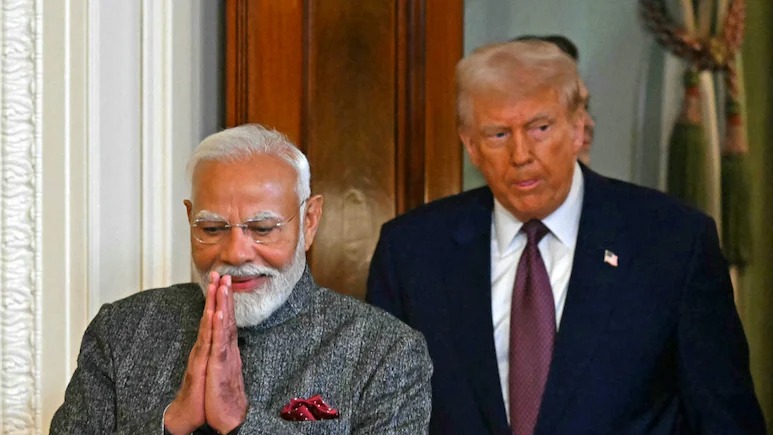
The understanding follows recent discussions between President Trump and Prime Minister Narendra Modi, during which the leaders approved a framework for an interim arrangement while continuing talks for a comprehensive Bilateral Trade Agreement. Officials from both nations will meet in the coming weeks to implement the initial commitments and work towards a final pact.
Negotiations will continue on remaining tariff issues, regulatory standards, intellectual property, services, labour and environmental matters with the aim of creating a balanced and mutually beneficial trade relationship.