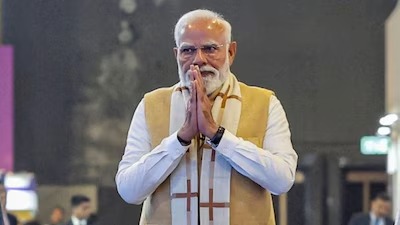
New Delhi: Prime Minister Narendra Modi held a conversation with Mohamed bin Zayed Al Nahyan, President of the United Arab Emirates, to discuss the evolving situation in West Asia and concerns surrounding the security of maritime routes such as the Strait of Hormuz.
During the interaction, Modi conveyed advance Eid greetings to the UAE leader and expressed India’s strong condemnation of attacks that resulted in civilian casualties and damage to infrastructure in the UAE. Both leaders emphasised the importance of maintaining peace and stability in the region and agreed on the need to ensure safe and uninterrupted navigation through the strategic waterway.
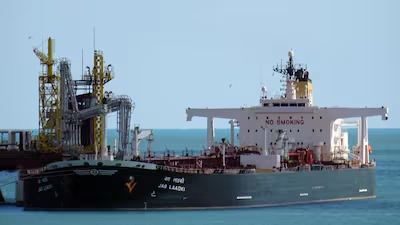
The Strait of Hormuz is one of the world’s most critical shipping routes for energy supplies, and both countries stressed the importance of safeguarding maritime movement in the region. The two leaders also reaffirmed their commitment to working together to promote peace, security and stability in West Asia.
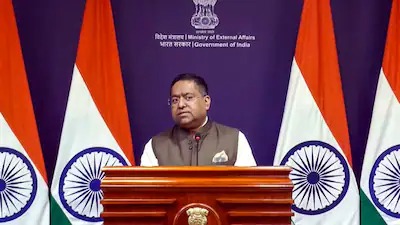
Earlier in the day, the Ministry of External Affairs said India remains in close contact with several countries, including Iran, to ensure the safe passage of Indian vessels operating through the Strait of Hormuz.
MEA spokesperson Randhir Jaiswal stated that the safety and well being of Indian citizens living across the region remains a top priority for the government. He said a dedicated control room set up by the ministry continues to operate to assist Indian nationals and address concerns raised by families.
Indian diplomatic missions across the region are functioning round the clock and maintaining regular communication with community groups and local authorities. These missions are also providing assistance to Indian nationals including students, seafarers and travellers who may require support during the current situation.
Officials also said that flight operations between the UAE and India are continuing on a limited scale. While UAE airspace was temporarily closed earlier in the day, it was reopened after a few hours. Around 55 flights operated between the two countries on March 16, and approximately 70 flights were expected to run on the following day depending on operational and safety considerations.
The developments come amid growing uncertainty in the region, where internal political divisions within Iran and rising geopolitical tensions have added to concerns about maritime security and the movement of international trade.
Sorry, there was a YouTube error.