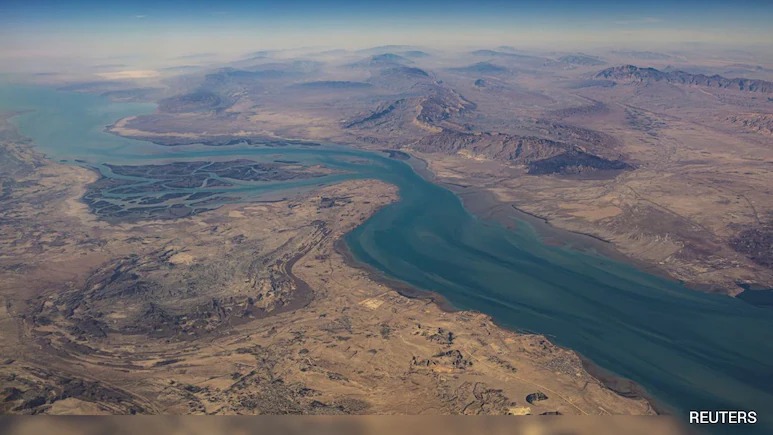
New Delhi: A severe disruption in global oil shipments through the Strait of Hormuz has intensified concerns over India’s fuel security, as hundreds of tankers remain stranded and crude flows drop sharply amid escalating conflict in West Asia.
Shipping data indicates that traffic through the strategic waterway has slowed dramatically. On March 1, only three tankers carrying about 2.8 million barrels transited the strait, a steep fall from the average daily movement of nearly 19.8 million barrels this year. By early March 2, just two small vessels were reported to have crossed the main channel. Although the strait has not been officially closed, operations have nearly ground to a halt.
Around 706 non Iranian tankers are currently waiting on either side of the passage, including crude carriers and product vessels, while dozens more remain inside the Gulf without confirmed destinations. Many others are idling in the Gulf of Oman as uncertainty deepens.
Energy markets reacted swiftly. Brent crude prices surged close to 10 per cent to about 80 dollars a barrel, while European gas prices spiked sharply following reported attacks on key energy facilities in the region. War risk insurance premiums have risen and freight rates are climbing, adding further pressure to global fuel prices.
For India, which depends heavily on Gulf crude, the disruption presents immediate challenges. Officials in New Delhi are reviewing contingency measures to safeguard domestic supply. These include possible curbs on fuel exports, increased sourcing from alternative suppliers and demand management steps if the crisis persists.
Oil Minister Hardeep Singh Puri recently reviewed the supply situation and reiterated that the government is closely monitoring developments to ensure availability and affordability of petroleum products.
India imports a significant share of its LPG requirements from the Gulf, making it particularly vulnerable to prolonged disruption. State refiners such as Indian Oil Corporation, Hindustan Petroleum Corporation Limited and Bharat Petroleum Corporation Limited have reportedly stepped up LPG output at select facilities. Existing reserves of crude and refined products are estimated to provide a buffer for several weeks, but an extended crisis could test those safeguards.