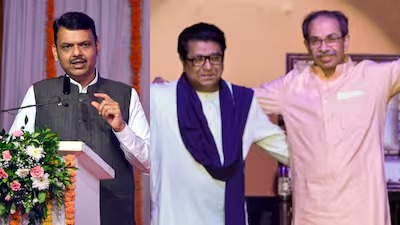
Mumbai: The BJP has launched a sharp critique of the newly announced alliance between Uddhav Thackeray’s Shiv Sena (UBT) and Raj Thackeray’s Maharashtra Navnirman Sena, calling it a case of “parivaar vaadi forces” coming together out of fear of losing ground in the upcoming civic elections. Party leaders said the partnership appears to be motivated by short-term electoral calculations rather than a genuine convergence of ideology or vision.
The cousins, who have been political rivals for nearly two decades, surprised many with their decision to contest municipal polls jointly, including key wards in Mumbai. The BJP, which is preparing to fight the elections on its own strength, dismissed the reunion as opportunistic and said it reflected uncertainty within the opposition camp.
In statements to party workers and supporters, senior BJP leaders argued that the Thackeray reunion was not about uniting for Maharashtra’s progress, but about preventing vote division that could hurt both parties. The BJP accused the two factions of prioritising political survival over issues of public concern and accused them of trying to recycle old rhetoric to rally voters.
The ruling party also suggested that the timing of the announcement — so close to polling dates — indicated panic rather than confidence. According to BJP spokespeople, genuine political alliances are built on shared principles and long-term planning, not last-minute strategies born from electoral anxiety.
While both Shiv Sena (UBT) and MNS have defended their decision as a strategic move to strengthen regional representation and counter larger parties in urban areas, the BJP’s response underscores the competitive nature of the upcoming civic polls. Party leaders said voters will see through what they described as a tactical alliance and focus instead on governance records and deliverables.
The criticism from the BJP adds another layer to the political discourse in Maharashtra as the state heads into a high-stakes municipal election season. With alliances shifting and campaign narratives forming, all parties will be closely watching how voters respond to both new and established political partnerships.