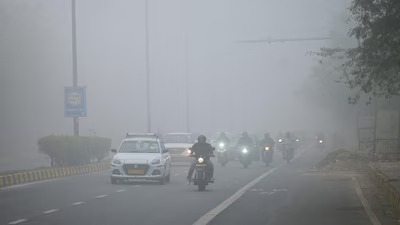
New Delhi: The Centre has opposed a petition in the Delhi High Court that sought a reduction in the Goods and Services Tax on air purifiers, arguing that lowering the tax rate may not be the appropriate or effective solution to the problem of air pollution.
In its response to the plea, the government maintained that tax policy alone cannot address the broader and more complex issue of air quality. The Centre said it is already taking multiple steps to combat pollution, including promoting cleaner fuel, strengthening emission standards and encouraging public awareness on pollution control.
The petitioner had urged the court to direct the government to reduce the GST on air purifiers from the existing rate, contending that the high tax burden made these devices less affordable for many people, particularly in cities facing severe air quality challenges.
However, the Centre argued that such a demand involves policy decisions that are within the exclusive domain of the legislature and executive, and should not be compelled by judicial orders. The government said it is committed to public health and environmental protection but urged the court to refrain from issuing directions on fiscal matters that could have broad economic implications.
The Centre emphasised that reducing GST on a single product category may not significantly improve air quality without a comprehensive strategy and that any decision on tax rates must balance revenue needs and policy priorities.
During the hearing, the bench questioned whether lowering taxes on air purifiers would meaningfully benefit the larger population or simply subsidise consumption for those who can already afford such devices. The court noted that the issue of air pollution requires systemic solutions rather than piecemeal measures.
The petitioner reiterated that affordable access to air purifiers is essential, especially for vulnerable populations affected by rising pollution levels in urban centres. They argued that a tax cut could make these devices more accessible while broader pollution control measures take effect.
The Delhi High Court is expected to examine the matter further, weighing the Centre’s submissions against the petitioner’s plea, as both sides prepare additional arguments in coming hearings. The case has drawn attention to wider debates on environmental policy, public health and the role of taxation in improving access to pollution mitigation tools.