Team Gomkarponn
PANAJI: Calling the forthcoming Zilla Panchayat elections a decisive moment for Goa’s future, members of the civil society on Tuesday appealed to voters to view the December 20 polls as a “semi-final” ahead of the 2027 Assembly elections, and to vote responsibly to protect the state from further decline.
The activists clarified that they were not endorsing or opposing any specific candidates. Instead, they urged voters to exercise discretion and support individuals committed to safeguarding Goa’s land, environment and social fabric.
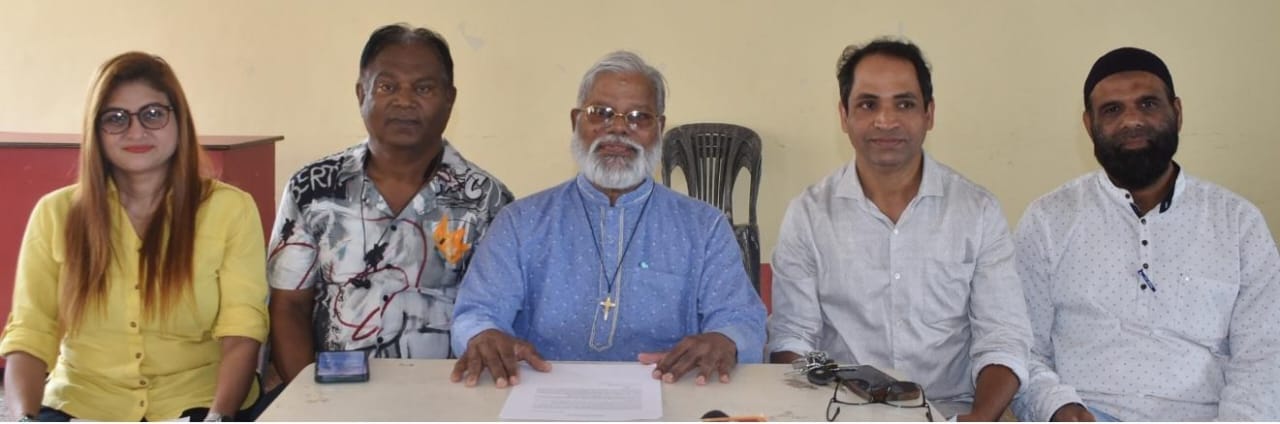
Addressing the media, Fr Eremito Rebello expressed anguish over Goa’s image being projected nationally as a corruption-ridden state in the aftermath of the Arpora fire incident. He alleged that the tragedy amounted to a grave failure of governance and said it was time for citizens to elect representatives who would work sincerely for Goa’s long-term welfare. He reiterated that voters must independently decide who is worthy of leading the state.
Konkani artiste Rajdeep Naik echoed similar concerns, stating that corruption and a weakening law-and-order situation had severely damaged Goa’s reputation. He claimed that intimidation and violence had become common against those speaking out against wrongdoing. Stressing the importance of the ZP polls, Naik urged voters not to treat the election lightly, warning that failure at this stage could have consequences for the 2027 elections. He cautioned people against blindly following political diktats and appealed to them to reflect deeply on whether their chosen representatives would stand by them in the future.
Naik further appealed to citizens across religious communities to vote thoughtfully, likening the election to a crucial qualifying match. He said that only by making the right choices now could Goa hope to reach the “final” in 2027 and overcome corruption and criminal influence in politics.
Activist Anthony D’Silva criticised the state government’s Mhaje Ghar scheme, alleging that it rewarded illegal encroachments on government and Comunidade land. He questioned whether law-abiding Goans, who had purchased land through legitimate means to build homes, were being penalised for following the rules. D’Silva urged voters to keep the implications of the scheme in mind while casting their ballots, arguing that it unfairly benefits those who violated land laws.