Team Goemkarponn
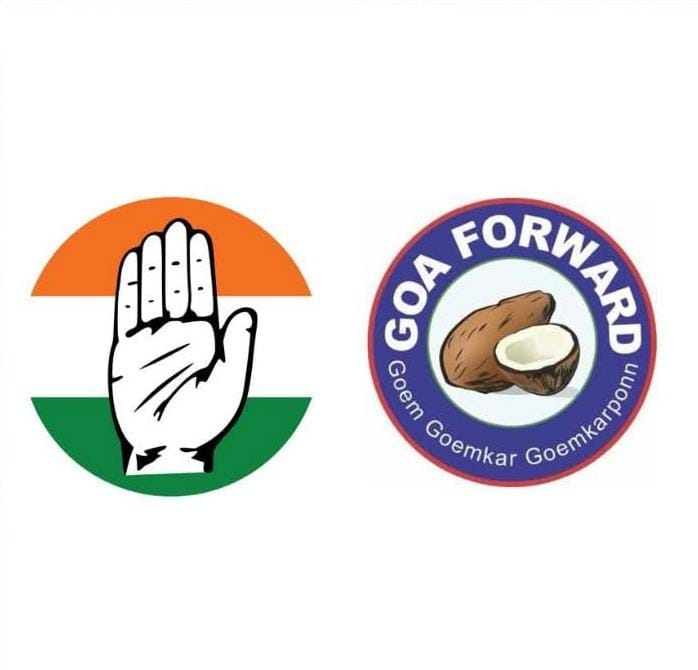
PANAJI: Seat-sharing negotiations between the Congress and the Goa Forward Party (GFP) for the 2027 Goa Assembly elections have entered a crucial phase, with Congress offering six constituencies to GFP against the eight seats sought by the regional party.
GFP president Vijai Sardesai, who met Goa Congress in-charge Manikrao Thakre on Sunday, November 15, for nearly two and a half hours, described the meeting as “a good beginning”. However, differences over the number of constituencies to be allotted to GFP remain unresolved.
According to sources, GFP had sought eight seats during the negotiations, while Congress has indicated its willingness to offer six constituencies. The proposed seats include Mandrem, Siolim and Saligao in North Goa, and Fatorda, Canacona and Sanguem in South Goa.
Sardesai was reportedly keen on securing at least a seventh constituency for his party. However, Congress has made no commitment on the additional seat so far, leaving the matter open for further negotiations.
A second round of discussions is expected to take place with Goa Pradesh Congress Committee (GPCC) president Girish Chodankar and Leader of Opposition Yuri Alemao also participating. The next meeting is likely to focus on bridging differences over seat allocation and arriving at a mutually acceptable formula.
The Congress is simultaneously holding separate discussions with Revolutionary Goans (RG), led by MLA Viresh Borkar, on possible seat-sharing arrangements for the 2027 Assembly elections.
The parallel negotiations indicate that Congress is exploring a broader opposition understanding to take on the ruling BJP, with regional parties expected to play an important role in the electoral contest.
Meanwhile, Sardesai has also flagged differences within the ‘Goa First’ alliance involving the Aam Aadmi Party (AAP) and GFP. He has called for bringing together anti-BJP forces, stressing the need for opposition unity ahead of the elections.
With Congress engaging both GFP and RG, the emerging challenge will be to accommodate the electoral ambitions of regional parties without creating further friction within the proposed opposition arrangement.
The coming rounds of negotiations are expected to determine whether the parties can move beyond preliminary discussions and build a workable seat-sharing arrangement ahead of the 2027 polls.