Team Goemkarponn
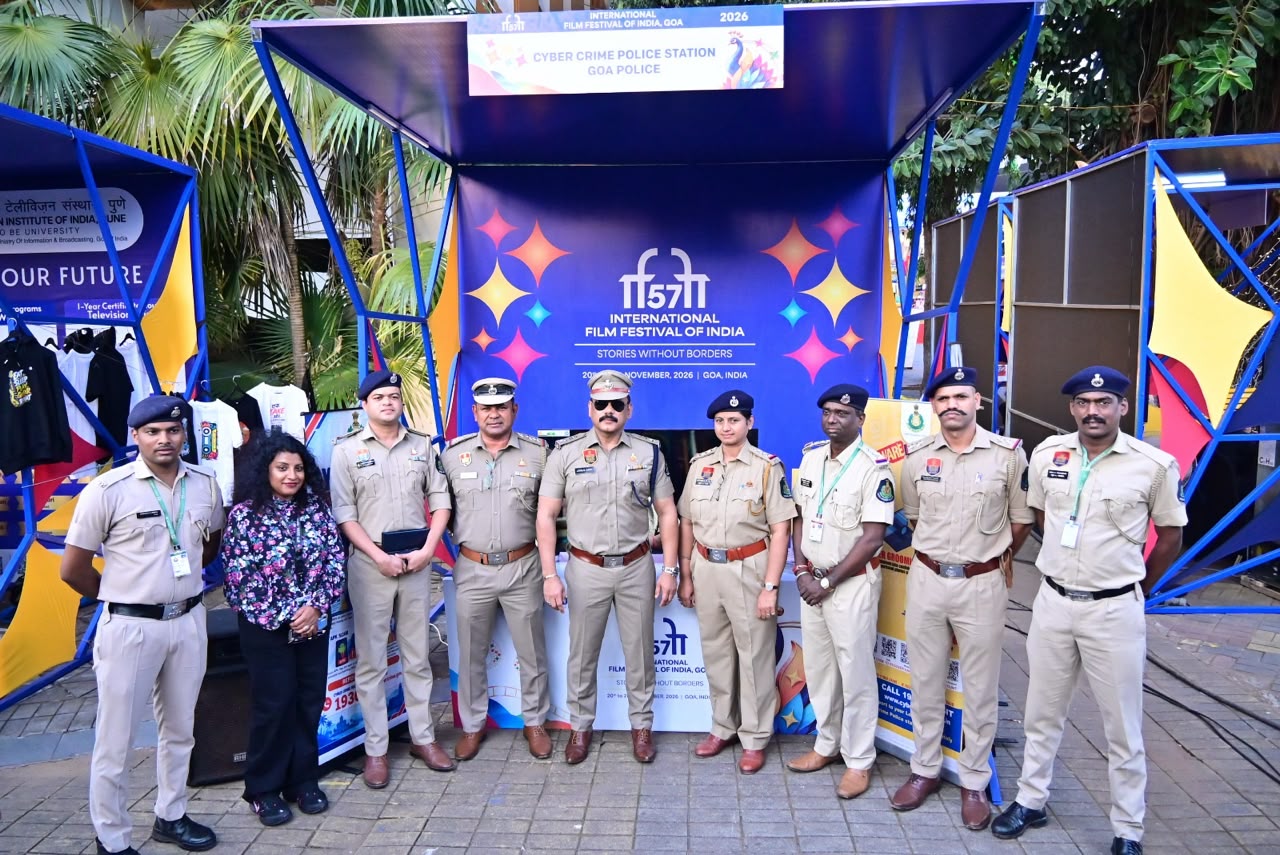
PANAJI: The Goa Cyber Crime Police have set up a special awareness stall at the ongoing 57th International Film Festival of India (IFFI) to educate citizens and visitors about cybercrime and online fraud.
Superintendent of Police (Cyber Crime) Jivba Dalvi said public awareness is among the most effective ways to prevent cybercrime. While the department has conducted awareness programmes in schools and colleges across Goa, the IFFI stall is aimed at reaching a wider audience, including local residents, domestic tourists and international visitors.
Dalvi cautioned the public against investment frauds, which continue to affect people, particularly senior citizens. Fraudsters often lure victims with promises of doubling their investments within a month and display fake charts showing exaggerated returns. For instance, they may claim that an investment of ₹50,000 has grown to ₹1.10 lakh or that ₹50 lakh has increased to ₹80 lakh.
Believing these fabricated claims, victims may invest additional money or even borrow from friends and neighbours. However, when they attempt to withdraw their funds, the fraudsters stop responding and disappear. Dalvi urged citizens to remain cautious of schemes promising unusually high or guaranteed returns.
He also highlighted frauds involving malicious APK files. In such cases, criminals may impersonate bank officials and contact senior citizens under the pretext of providing life certificate assistance or banking services. They then send links or APK files and persuade victims to install them on their mobile phones. These malicious applications can expose sensitive information and allow criminals to access bank accounts and steal money.
Dalvi further warned about ‘digital arrest’ scams, in which fraudsters impersonate police personnel or other government officials and contact victims through phone or video calls. They threaten them with arrest or legal action, often instructing them to keep the matter secret and transfer money in the name of verification or settlement.
He advised people not to panic, disclose financial details or transfer money in response to such threats. Genuine law-enforcement agencies do not conduct ‘digital arrests’ or demand money over phone calls.
Dalvi pointed out that by the time victims realise they have been cheated, the money may already have been routed through multiple bank accounts and withdrawn, making recovery difficult.
He advised the public not to click on suspicious links or install APK files received from unknown sources. People should also verify claims made by anyone posing as a bank representative or government official through the organisation’s official channels before sharing personal or banking information.
Anyone affected by online financial fraud should immediately contact the 24-hour national cybercrime helpline at **1930**. Prompt reporting can help authorities initiate steps to freeze fraudulent transactions and improve the chances of recovering the money.