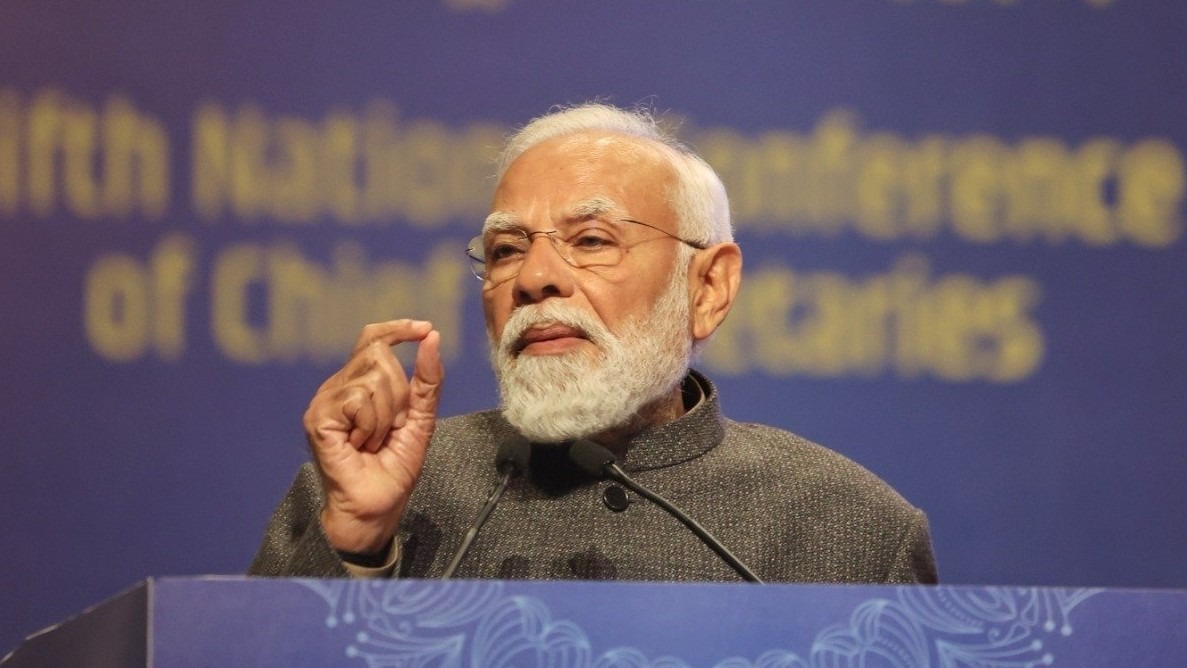
New Delhi: During the three-day Pragati meeting in New Delhi, Prime Minister Narendra Modi called on states to prepare comprehensive 10-year action plans with measurable outcomes to accelerate India’s journey toward becoming a developed nation. The discussions focused on “Human Capital for Viksit Bharat,” underscoring the country’s demographic strength, with nearly 70 percent of the population in the working-age group.
PM Modi noted that this demographic advantage, combined with sustained economic growth, presents a historic opportunity to advance India’s development goals. He emphasised that empowering the youth remains a top priority, particularly as next-generation reforms aim to position India as a major global economic power.
The prime minister urged states to adopt and institutionalise the Centre’s Pragati model to ensure efficient monitoring, timely execution, and results-oriented governance. He also recommended that chief secretaries establish dedicated deregulation cells to streamline processes and remove administrative bottlenecks. Highlighting concerns over excessive time spent in prolonged video conferences, he suggested restricting such meetings to one day a week to allow officials to focus on fieldwork.
Key priorities highlighted included addressing gaps in toilet facilities for girls in PM Shri and Eklavya schools by March 8, strengthening higher education institutions through technology-driven reforms, and filling long-pending vacancies. PM Modi also stressed the need to improve the impact of skill development initiatives, bolster sports policies and infrastructure, and encourage specialised sports journalism.
Invoking the principle of Atmanirbharta, the prime minister called for stronger promotion of domestic products and local supply chains, citing examples of overreliance on imports even in everyday settings. He acknowledged progress in curbing Left Wing Extremism but stressed continued efforts to empower affected communities.
Jal Jeevan Mission implementation was highlighted as another key focus, with PM Modi stressing closer monitoring, timely follow-ups, and corrective measures to address operational gaps. Grievance redressal was also emphasised, with the prime minister sharing that he personally reviews at least ten public grievances daily and urging state leadership to adopt a similar approach to ensure responsive, citizen-centric governance.
The meeting reflected the government’s broader vision of leveraging human capital, technology, and efficient administration to achieve a Viksit Bharat through strategic planning and sustained reforms.
Sorry, there was a YouTube error.