New Delhi: Fresh violence and widespread protests in Pakistan-administered Kashmir have intensified pressure on the Pakistani government, bringing renewed attention to growing public dissatisfaction over political representation, local rights and Islamabad’s handling of the unrest.
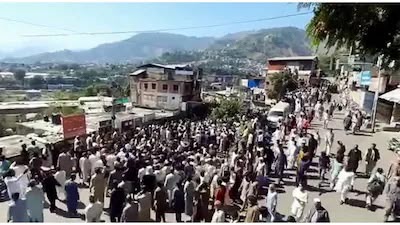
The latest confrontation has centred on Rawalakot, where security forces reportedly moved against protest camps associated with the Joint Awami Action Committee (JAAC) between November 5 and 7.
The clashes reportedly left seven people dead and several others injured, further escalating tensions in the region. The developments have triggered concerns over the use of force against protesters and the government’s response to growing public demands.
The unrest reflects deeper grievances among residents, who have been raising concerns over governance, political participation and their rights in Pakistan-administered Kashmir.
The Joint Awami Action Committee has emerged as a prominent platform for protests, bringing together groups demanding greater accountability and action on local issues.
The latest violence has intensified scrutiny of Islamabad’s approach towards the region, with the spread of demonstrations highlighting the difficulty of containing public discontent through security measures.
The situation also raises broader questions about political representation and the relationship between Pakistan’s federal government and residents of Pakistan-administered Kashmir.
With tensions continuing after the reported deaths, the government’s response and efforts to address protesters’ demands are likely to play a crucial role in determining whether the situation stabilises or escalates further.