New Delhi: India’s flagship fifth generation fighter programme has entered a new phase with state run Hindustan Aeronautics Limited failing to qualify for the next stage of the Advanced Medium Combat Aircraft project. Three private sector led consortiums have now been shortlisted to develop the aircraft, and a final partner is expected to be chosen within the next few months.
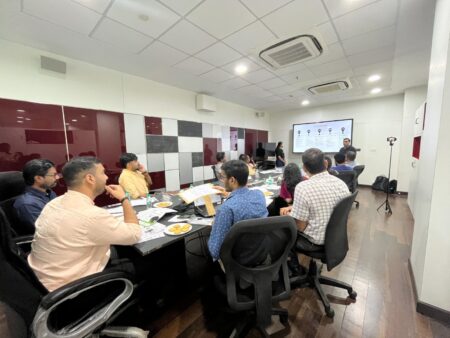
Senior defence officials confirmed that an overwhelming response was received from industry during the pre qualification process. The shortlisted groups will soon receive a formal request for proposal to submit cost bids for manufacturing five prototypes of the stealth fighter. The first prototype is targeted to roll out within the next three to four years, subject to successful design and testing milestones.
Although the names of the final contenders have not been officially disclosed, multiple major defence players are understood to have participated, including Tata Advanced Systems, Adani Defence, Larsen and Toubro in collaboration with Bharat Electronics Limited, along with other industry combinations. HAL, traditionally the backbone of India’s military aviation manufacturing, did not make it to the final list.
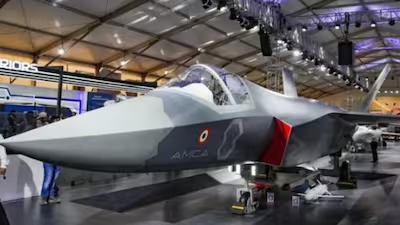
The AMCA programme is being steered by the Aeronautical Development Agency under the Defence Research and Development Organisation and is designed to meet the long term combat requirements of the Indian Air Force. The aircraft is planned as a twin engine stealth platform equipped with advanced avionics, sensor fusion, internal weapon bays and the ability to operate in coordination with unmanned systems. It is expected to form a critical element of India’s air power from the mid 2030s.
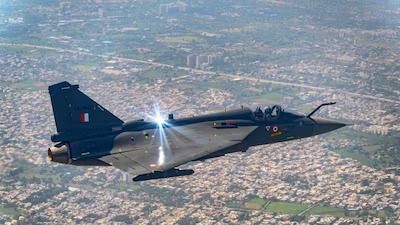
HAL’s exclusion has drawn attention given its central role in several ongoing defence aviation projects. The company currently produces the Light Combat Aircraft Tejas, supports the Su 30MKI fleet and manufactures helicopters and trainer aircraft for the armed forces. However, some of these programmes have faced delays, particularly the Tejas Mk 1A where production has been slower than anticipated due to supply chain constraints and engine availability issues.
Officials involved in the selection process said the evaluation focused on technical expertise, financial capacity, existing order book and the ability to absorb complex aircraft design and manufacturing responsibilities. The government is keen to ensure that the chosen partner can dedicate exclusive infrastructure and resources to the ambitious project.
The decision to bring private industry to the forefront signals a shift in India’s defence manufacturing strategy, aimed at accelerating innovation and reducing timelines in critical aerospace programmes.
Sorry, there was a YouTube error.